Overview
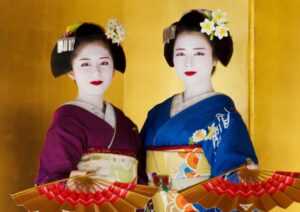
Gion Hanamachi Art Museum is a cultural museum located in Gion, Kyoto, dedicated to preserving and presenting the refined arts, traditions, and daily life of Kyoto’s historic hanamachi (geisha districts). The museum offers international visitors a rare, respectful introduction to the world of geiko and maiko, focusing on artistry, etiquette, and cultural continuity rather than entertainment or spectacle.
Situated in one of Japan’s most famous traditional neighborhoods, the museum serves as an accessible gateway to understanding Gion’s living cultural heritage.
What Is a Hanamachi?
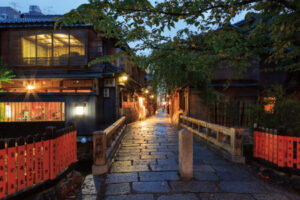
A hanamachi is a traditional entertainment district where professional female artists—known as Geiko in Kyoto and their apprentices Maiko—train and perform classical Japanese arts.
These arts include:
-
Traditional dance
-
Music played on shamisen and other instruments
-
Refined conversation and etiquette
-
Seasonal aesthetics and ceremonial hospitality
Gion is the most famous hanamachi in Japan, and its customs remain active today.
Museum Concept and Purpose
The Gion Hanamachi Art Museum was established to:
-
Preserve intangible cultural heritage
-
Educate visitors about authentic hanamachi traditions
-
Provide accurate context often missing from popular media
Rather than portraying geiko culture as mysterious or inaccessible, the museum explains it clearly through exhibits, visuals, and demonstrations designed for both Japanese and international audiences.
Exhibits and Galleries
Geiko and Maiko Attire
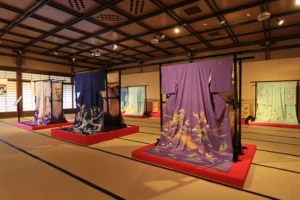
One of the highlights of the museum is its display of traditional clothing.
Visitors can view:
-
Elaborate silk kimono worn by maiko
-
Seasonal color patterns and motifs
-
Obi (sashes) tied in styles unique to apprentices and professionals
Explanations detail how garments reflect age, rank, season, and occasion, helping visitors understand the visual language of kimono culture.
Hairstyles and Accessories
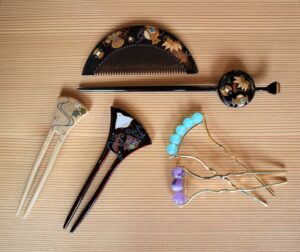
The museum introduces the complex world of traditional hairstyles.
Displays include:
-
Replicas and models of maiko hairstyles
-
Kanzashi hair ornaments worn during different months
-
Tools and materials used by professional hairdressers
These exhibits emphasize the discipline and care required to maintain traditional appearance.
Performing Arts
-search.yahoo_.co_.jp_-300x194.png)
Exhibits explain the core performing arts practiced in Gion:
-
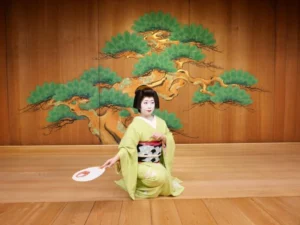
Classical Kyoto-style dance
-
Shamisen and vocal music
-
Seasonal performances linked to festivals
Video presentations allow visitors to observe movements and musical structures in detail, enhancing appreciation even for those unfamiliar with Japanese performing arts.
Interactive and Experiential Elements
Depending on the time of visit, the museum may offer:
-
Demonstrations by professional performers
-
Short performances of dance or music
-
Explanatory talks about hanamachi customs
These experiences are designed to educate rather than entertain, maintaining cultural dignity while deepening understanding.
Architecture and Atmosphere
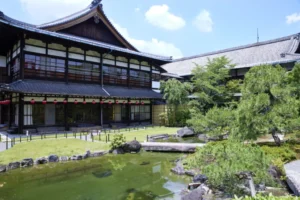
The museum is housed in a traditional-style building that reflects Gion’s architectural character.
Features include:
-
Wooden interiors
-
Tatami-mat rooms
-
Soft lighting that evokes ochaya (teahouse) spaces
The environment reinforces the cultural themes without recreating private spaces that remain exclusive to the hanamachi community.
Cultural Significance
The Gion Hanamachi Art Museum plays an important role in:
-
Protecting cultural traditions facing modernization
-
Correcting misconceptions about geiko culture
-
Supporting respectful tourism in historic districts
By offering structured education, the museum helps reduce intrusive behavior toward geiko and maiko in public streets.
Access

The museum is located within walking distance of central Gion.
From Kyoto Station:
-
Take a bus or train to the Gion-Shijō area
-
Walk through Gion’s historic streets to the museum
Its central location allows easy combination with other Kyoto sightseeing.
Visitor Etiquette
-
Photography rules should be strictly followed
-
Keep voices low inside exhibition spaces
-
Do not treat exhibits as costumes or entertainment props
-
Respect explanations regarding cultural sensitivity
The museum promotes understanding rooted in respect.
Meeting a Maiko in Town — Etiquette Tips
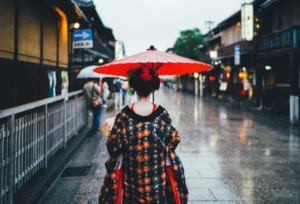
Kyoto’s Gion is one of the few places in Japan where you might encounter a maiko or geiko walking to an engagement. These encounters are special—please treat them with respect:
-
No Physical Contact
Never touch their kimono, hair, or accessories. These are delicate and expensive, and touching can damage them. -
Ask Before Taking Photos
Avoid taking unsolicited close-up photos. If you wish to take a picture, politely ask first. Many maiko are on their way to work and may not have time to stop. -
Don’t Block Their Path
Maiko are often on a strict schedule. Blocking their way for photos or conversation is considered rude. -
Maintain a Respectful Distance
Enjoy the moment from a short distance without crowding or following them. -
Be Mindful of the Atmosphere
Remember that Gion is a working neighborhood, not just a tourist spot—keep noise and disruption to a minimum.
Facilities
-
Multilingual explanations and signage
-
Clean restrooms
-
Small gift shop with educational books and souvenirs
-
Climate-controlled exhibition rooms
Facilities are designed for comfort while preserving a traditional atmosphere.
Nearby Attractions
-
Yasaka Shrine
-
Hanamikoji Street
-
Shirakawa Canal area
-
Traditional tea houses and Kyoto restaurants
The museum integrates naturally into a full day of Gion exploration.
Who Should Visit
-
Travelers interested in traditional Japanese culture
-
Visitors seeking accurate understanding of geiko life
-
Cultural and performing arts enthusiasts
-
First-time visitors to Kyoto wanting contextual knowledge
Why Gion Hanamachi Art Museum Is Unique
The museum stands out for its:
-
Focus on education over spectacle
-
Direct connection to a living hanamachi
-
Clear explanations accessible to international visitors
It bridges the gap between curiosity and cultural respect.
Conclusion
Gion Hanamachi Art Museum offers international visitors a thoughtful, in-depth introduction to one of Japan’s most refined cultural traditions. By explaining the skills, discipline, and artistry behind geiko and maiko life, the museum transforms what might otherwise seem mysterious into something deeply human and understandable.
For those visiting Kyoto who wish to go beyond surface-level sightseeing, Gion Hanamachi Art Museum provides essential insight into the living culture of Gion and the enduring elegance of Japan’s hanamachi heritage.
Related articles

Official Website
I also share travel information and Japan travel updates on X.
X (formerly Twitter)
Recommended Travel Services
