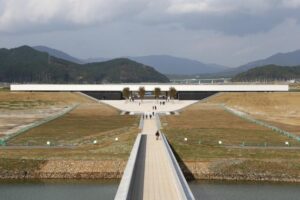
Iwate Tsunami Memorial is a major disaster memorial and educational facility located in Rikuzentakata City, Iwate Prefecture, along Japan’s northeastern Pacific coast. The memorial was established to preserve the memory of the devastating Great East Japan Earthquake and tsunami of March 11, 2011, while promoting disaster awareness, education, and resilience for future generations.
Positioned in one of the regions most heavily affected by the disaster, the memorial serves not only as a museum but also as a place of reflection and remembrance. It combines historical documentation, survivor testimony, and interactive educational exhibits to help visitors understand both the scale of the catastrophe and the recovery efforts that followed.
For international travelers, the Iwate Tsunami Memorial offers an important opportunity to learn about modern Japanese history, community resilience, and disaster preparedness.
The 2011 Disaster and Historical Context
The Great East Japan Earthquake and Tsunami
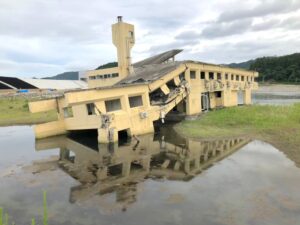
On March 11, 2011, a massive undersea earthquake occurred off the northeastern coast of Japan. The resulting tsunami caused widespread destruction across coastal communities in the Tohoku region, including Rikuzentakata.
Entire neighborhoods were destroyed, infrastructure collapsed, and thousands of lives were lost. The disaster also triggered long-term social and environmental impacts.
Impact on Rikuzentakata
Rikuzentakata was one of the most severely damaged cities. Much of the coastal area was inundated by powerful tsunami waves, leaving behind extensive devastation.
The memorial documents:
- The scale and force of the tsunami
- Emergency response efforts
- Personal experiences of survivors
- Reconstruction and recovery projects
These materials help visitors understand the human dimension of the disaster.
Importance of Memory and Education
The memorial emphasizes the importance of preserving collective memory so that lessons from the disaster are not forgotten. It encourages awareness of natural hazards and the importance of preparedness in tsunami-prone regions.
Exhibits and Visitor Experience
Multimedia and Interactive Displays
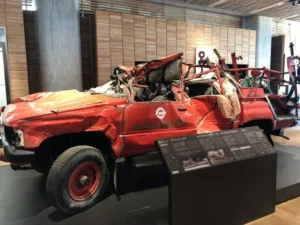
The museum features a range of modern exhibits designed to communicate information clearly and emotionally. Visitors may encounter:
- Video footage from the disaster
- Interactive maps and simulations
- Audio recordings and survivor testimonies
- Photographs documenting destruction and recovery
These exhibits provide both factual information and personal perspectives.
Survivor Stories and Human Perspectives
One of the most powerful aspects of the memorial is its focus on individual experiences. Testimonies from local residents describe evacuation efforts, loss, survival, and rebuilding.
These stories help visitors connect emotionally with the events and understand the resilience of affected communities.
Architectural Design and Atmosphere
The design of the memorial is intentionally calm and contemplative. Open spaces, natural light, and views toward the coastline create an environment suitable for reflection.
The building itself symbolizes remembrance and hope for the future.
Surrounding Area and Related Landmarks
Miracle Pine Tree
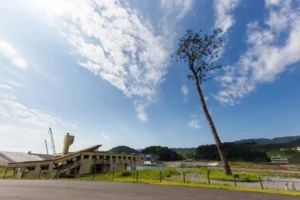
Nearby stands the famous “Miracle Pine,” a lone pine tree that survived the tsunami despite the destruction of the surrounding forest. Although the original tree later died due to salt damage, it was preserved as a symbolic monument.
The site has become an important symbol of resilience and recovery.
Coastal Reconstruction Areas
Visitors can observe reconstructed seawalls, elevated land projects, and newly developed infrastructure throughout the region. These changes demonstrate Japan’s extensive efforts to rebuild and improve disaster protection.
The surrounding landscape reflects both loss and renewal.
Scenic Coastal Environment
Despite the tragic history, the Sanriku coastline remains naturally beautiful, with dramatic ocean scenery and rugged cliffs. The contrast between natural beauty and historical tragedy adds emotional depth to the visit.
Practical Information and Travel Tips
Access and Transportation
The memorial is located in Rikuzentakata and can be reached by car or public transportation from major cities in the Tohoku region. Travel times may be longer compared to urban destinations, so planning ahead is important.
Driving allows greater flexibility for exploring nearby coastal sites.
Recommended Visit Duration
Many visitors spend between one and three hours exploring the memorial and surrounding area. Those interested in history, disaster studies, or photography may choose to stay longer.
Combining the visit with other Sanriku coastal destinations is recommended.
Visitor Etiquette
As the memorial is connected to a recent tragedy involving significant loss of life, respectful behavior is essential. Visitors should:
- Speak quietly inside exhibition spaces
- Avoid disruptive behavior
- Treat memorial areas with sensitivity
Photography rules may vary by exhibit area.
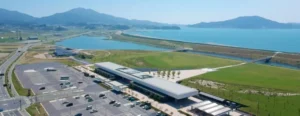
The Iwate Tsunami Memorial offers a profound and educational experience that goes beyond conventional tourism. Through detailed exhibits, survivor stories, and carefully preserved historical records, it provides insight into one of the most significant natural disasters in modern Japanese history.
For international travelers, the memorial serves as both a place of remembrance and a valuable lesson in resilience, community strength, and disaster preparedness. It is a deeply meaningful destination that encourages reflection on the relationship between humanity and nature.
Related articles
Official Website
https://iwate-tsunami-memorial.jp/en/index.html
I also share travel information and Japan travel updates on Instagram.
Instagram
