Overview
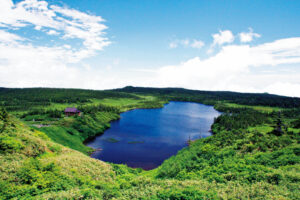
Hachimantai is a vast highland area and volcanic plateau located in northern Japan, spanning Iwate and Akita Prefectures. It is part of Towada-Hachimantai National Park, one of Japan’s most expansive and unspoiled national parks. Known for its alpine landscapes, volcanic terrain, wetlands, hot springs, and seasonal scenery, Hachimantai is a destination that showcases the raw beauty of northern Japan.
Unlike Japan’s famous urban sightseeing areas, Hachimantai offers wide-open spaces, fresh mountain air, and a strong sense of remoteness. It is particularly popular among nature lovers, hikers, photographers, and travelers seeking a quieter, less crowded experience.
Geography and Natural Landscape
Highland Plateau
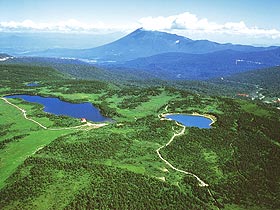
Hachimantai sits at an elevation of around 1,000 to 1,600 meters, forming a broad volcanic plateau rather than sharp mountain peaks. This unique topography creates:
-
Gentle rolling highlands
-
Expansive marshlands
-
Volcanic lakes and ponds
-
Long-distance panoramic views
The area is dotted with remnants of volcanic activity, including fumaroles, sulfur vents, and lava fields.
Hachimantai Aspite Line and Jukai Line
Scenic Mountain Roads
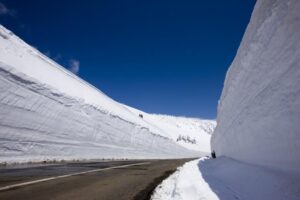
The Hachimantai Aspite Line and Hachimantai Jukai Line are two of the most famous scenic drives in northern Japan. These roads connect Iwate and Akita through the heart of the highlands.
Key highlights include:
-
Sweeping alpine views
-
Seasonal roadside scenery
-
Easy access to trailheads and viewpoints
In spring, towering snow walls line the road, while autumn brings dramatic foliage across the plateau.
Seasonal Highlights
Spring
Spring arrives late due to the high elevation. Snow corridors remain along mountain roads until May, creating a surreal landscape of white walls and blue skies.
Summer
Cool temperatures make Hachimantai an ideal summer escape. Alpine flowers bloom across wetlands, and hiking conditions are excellent.
Autumn
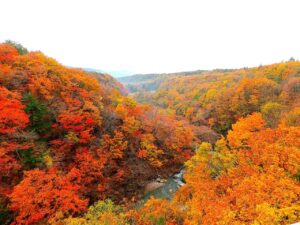
Autumn foliage is the most popular season. Marshlands turn golden, and forests display vibrant red, orange, and yellow colors, often earlier than in lower regions of Japan.
Winter
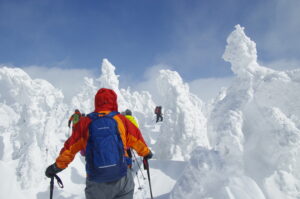
Heavy snowfall transforms Hachimantai into a winter wilderness. While many roads close, the area becomes popular for:
-
Snowshoeing
-
Cross-country skiing
-
Backcountry exploration
Hiking and Nature Exploration
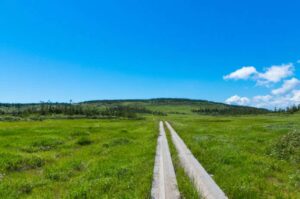
Hiking Trails
Hachimantai offers a range of well-maintained hiking routes, suitable for beginners to intermediate hikers.
Popular areas include:
-
Wetland boardwalks
-
Gentle summit paths
-
Volcanic observation routes
Most trails are clearly marked and can be completed in a few hours.
Hachimantai Summit Area
The summit area provides easy access to walking paths and panoramic viewpoints. On clear days, visitors can see across the national park toward distant mountain ranges.
Volcanic Features
Mount Iwate Viewpoints
Mount Iwate, often called the “Mount Fuji of the North,” dominates the southern skyline and is visible from many points in Hachimantai.
Fumaroles and Sulfur Vents
Active volcanic features release steam and sulfur gases, reminding visitors that the area remains geothermally active. These sites are carefully monitored and accessible from designated paths.
Wetlands and Wildlife
Hachimantai Marshlands
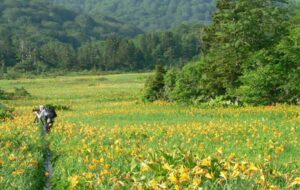
The highland marshes are among the most ecologically important areas in the region. Wooden boardwalks protect delicate ecosystems while allowing visitors to observe:
-
Alpine plants
-
Seasonal wildflowers
-
Migratory birds
Wildlife
The area is home to:
-
Deer
-
Foxes
-
Birds of prey
-
Smaller alpine animals
Sightings are more common during early morning or late afternoon.
Hot Springs (Onsen)
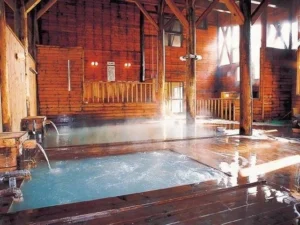
Hachimantai is surrounded by well-known onsen areas, including:
-
Matsukawa Onsen
-
Toshichi Onsen
These hot springs are typically rustic and set in forested mountain environments, offering a relaxing way to end a day of exploration.

Access and Transportation
By Train and Bus
The nearest major stations are:
-
Morioka Station (Iwate side)
-
Kazuno-Hanawa Station (Akita side)
From there, seasonal buses or taxis connect to key areas of Hachimantai.
By Car
Driving is the most convenient way to explore Hachimantai, especially for accessing scenic roads and trailheads. Winter driving requires proper equipment and caution.
Best Time to Visit
-
May to June: Snow corridors and fresh greenery
-
July to August: Cool summer weather and alpine flowers
-
Late September to October: Peak autumn foliage
-
Winter: Snow activities for experienced visitors
Practical Travel Tips
-
Weather can change quickly due to elevation; bring layers
-
Even in summer, mornings and evenings can be cold
-
Limited dining options within the park; plan ahead
-
Follow trail rules to protect fragile ecosystems
-
Check road and weather conditions before visiting
Why You Should Visit Hachimantai
Hachimantai represents a quieter, more expansive side of Japan’s natural beauty. Its highland landscapes, volcanic features, and seasonal transformations offer an experience far removed from crowded cities and famous landmarks.
For international travelers who appreciate wide-open nature, dramatic seasonal scenery, and peaceful exploration, Hachimantai is one of northern Japan’s most rewarding destinations.
Related articles
Official Website
https://www.hachimantai.or.jp/trip8/index.html
I also share travel information and Japan travel updates on Instagram.
Instagram
