Overview
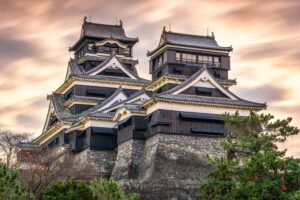
Kumamoto Castle (熊本城, Kumamoto-jō) is one of Japan’s most important and visually striking castles. Built in the early 17th century by the feudal lord Kato Kiyomasa, it is famous for its imposing stone walls, elegant black lacquered main keep, and complex defensive layout. The castle has served as a political and cultural center of Kumamoto for centuries and remains one of Kyushu’s top attractions.
Brief history in a paragraph
Construction began around 1601 under Kato Kiyomasa. The castle was expanded by successive lords and became a major samurai stronghold. It saw conflicts during the Meiji Restoration and was partially rebuilt in later centuries, forming the ensemble of stone walls, turrets, and keeps you can observe today. The castle’s layered defenses and architectural style are textbook examples of Japanese castle engineering from the Sengoku–Edo transition.
2016 earthquake and restoration — what you should know
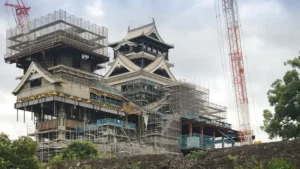
Kumamoto Castle suffered heavy damage in the April 2016 Kumamoto earthquakes: large sections of stone walls collapsed, turrets and storehouses were damaged, and many areas were closed for safety. Since then the city and cultural agencies have carried out a major, long-term restoration program. The main castle tower (tenshu) was fully restored and reopened to the public in 2021, and other parts of the site have reopened in stages; however, large-scale reconstruction of walls and ancillary structures will continue for years to come. Restoration is being managed carefully and publicly documented.
What to see and do
Main keep (Tenshu)

The restored main keep houses exhibits about the castle’s history, the Great Earthquake damage and recovery, and scale models that help visitors understand the original complex. From the observation decks you get panoramic views of the castle grounds and central Kumamoto. The tenshu reopened to visitors in 2021.
Stone walls and turrets

Kumamoto’s massive sloped stone walls (ishi-kabe) are an engineering highlight—some sections show recent repairs and scaffolding while restoration continues. Guided routes allow close views of ongoing conservation work so you can see both original masonry and modern stabilization techniques.
Ninomaru and Honmaru areas
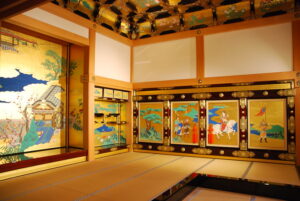
The inner compound (honmaru) and adjacent second enclosure (ninomaru) contain reconstructed gates, gardens, exhibition areas, and temporary displays. Ninomaru Square and the nearby museum/exhibition spaces are good places to learn the castle’s full story.
Kato Shrine and castle park
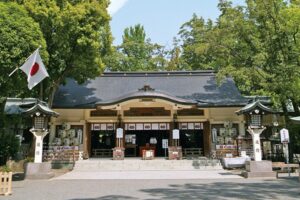
Kato Shrine (Kato Kiyomasa’s shrine) and the expansive castle park are pleasant places to stroll; the park is famous for cherry blossoms in spring. The park’s open areas offer framed views of the castle and places to relax.
Special guided / restoration tours
The castle runs special routes and guided tours that focus on the earthquake damage and conservation work—these are exceptional for visitors interested in heritage preservation. Check the official site or visitor center for scheduled guided tours.
Practical visitor information (confirmed sources)
-
Opening hours (regular season): 9:00 — 17:00 (last admission 16:00). The main keep’s final admission may differ (check signage/official site on the day). Some park areas may have extended evening hours for special events.
-
Days closed: Generally closed December 29 (and may close for severe weather).
-
Admission: Tickets are sold on site; prices vary by route/exhibit and special displays. Combination tickets (castle + nearby museum) are sometimes available—check the official site before you go.
-
Official info & updates: Use the Kumamoto Castle official website and visitor information pages for the latest notices and ticketing. Tours to areas under repair may be limited or require prior booking.
(Those links above are the official pages I used — check them just before your visit because restoration work and access points change.)
How to get there
-
From Kumamoto Station: Take a tram or bus toward the castle area (several tram lines stop near the castle). The castle is a short tram ride or 15–25 minute walk from the station.
-
By car: Parking is limited near the castle park; many visitors use public transport and walk.
-
Accessibility: The grounds are extensive and step-heavy in places; the restored tenshu has visitor facilities, but some older pathways and turrets are not barrier-free. Check accessibility details if you require ramps or elevators.
Best time to visit
- Spring (late March–April): Sakura (cherry blossoms) at the park make the castle especially photogenic.
-
Autumn (Nov): Cool weather and fall colors complement the stone and black lacquered keep.
-
Early morning or late afternoon: Light is best for photos and crowds are lighter. Note that some restoration zones may restrict sightlines. Visit Kyushu
Tips and etiquette
-
Wear comfortable walking shoes—many paths are uneven stone.
-
Follow posted barriers—do not enter fenced or scaffolded areas; these exist for your safety and preservation of the site.
-
Photography is welcomed in outdoor and many indoor exhibition areas, but follow staff instructions (some exhibit rooms restrict flash or tripods).
-
Respect shrine areas (Kato Shrine) and observe customary reverence (bowing at torii, cleansing at temizuya if you wish).
-
If you are visiting specifically to study the restoration, check for special guided tours or temporary exhibitions that explain the techniques and philosophy of reconstruction. 政府オンライン+1
Nearby attractions (combine into a day trip)
-
Suizenji Jojuen Garden: A classic feudal strolling garden with a miniature Mt. Fuji and tea houses—excellent after an east-side castle walk.
-
Kumamoto Prefectural Museum of Art and Kato Shrine within the castle complex.
-
Kumamoto City downtown (shopping streets, local restaurants) — try local specialties such as basashi (horse sashimi) and tonkotsu ramen. Visit Kyushu
Why you should visit
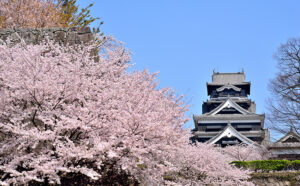
Kumamoto Castle is more than a photogenic landmark: it is a living historical site that demonstrates Japan’s feudal architecture, modern conservation work, and community resilience after natural disaster. Visiting the castle lets you see classical castle design (keeps, turrets, massive stone walls) and also witness how communities and specialists restore and preserve cultural heritage for future generations.
Related articles
Official Website
https://castle.kumamoto-guide.jp/en/
Great Accommodation Site
 is one of Japan’s most important and visually striking c)