Overview
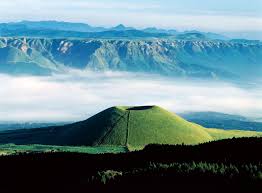
Mount Aso (Aso-san) is one of Japan’s most remarkable natural landmarks, located in Kumamoto Prefecture on the island of Kyushu. Rather than a single peak, Mount Aso is a vast volcanic complex centered around one of the largest calderas in the world, measuring approximately 25 kilometers from north to south and 18 kilometers from east to west.
Within this enormous caldera lie towns, farmland, grasslands, and multiple volcanic peaks, creating a rare landscape where people live and work inside an active volcanic system. Mount Aso is part of Aso Kuju National Park and is renowned for its dramatic scenery, active crater, and wide-open grasslands that feel very different from most mountainous areas in Japan.
For international visitors, Mount Aso offers a powerful introduction to Japan’s volcanic geography and rural landscapes, combining raw natural force with pastoral beauty.
Volcanic Features and Natural Landscape
Active Crater of Nakadake
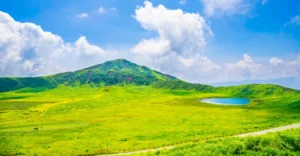
The most famous feature of Mount Aso is Nakadake, the most active of the central peaks. Its crater contains a vivid turquoise crater lake when conditions are calm, releasing volcanic gases that remind visitors the volcano is still alive.
Access to the crater area is carefully controlled for safety. When volcanic gas levels are low, visitors can approach observation points by road or ropeway, allowing a rare close-up view of an active volcano.
The Five Central Peaks
Mount Aso’s core consists of five main peaks, often referred to as the “Aso Five Mountains”:
-
Nakadake
-
Takadake
-
Nekodake
-
Eboshidake
-
Kishimadake
Each peak has a distinct shape and geological character, and together they form the iconic profile seen from across the caldera.
Grasslands and Caldera Views
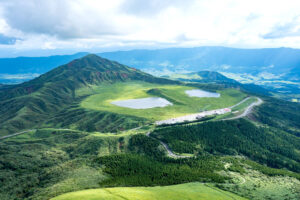
Surrounding the volcanic peaks are vast grasslands maintained through traditional controlled burning. These open fields offer panoramic views of rolling hills, grazing cattle and horses, and distant mountains, giving the area a surprisingly gentle and pastoral atmosphere despite its volcanic origins.
Cultural Significance and Local Life
Aso Shrine and Spiritual Traditions
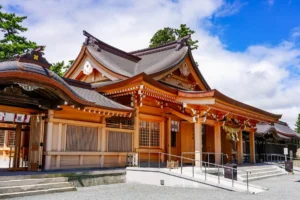
At the heart of the caldera lies Aso Shrine, one of Kyushu’s most important Shinto shrines, with a history spanning over 2,000 years. The shrine is dedicated to deities associated with land development and protection, reflecting the deep connection between local life and the volcano.
Festivals and rituals held here emphasize gratitude for fertile soil and prayers for safety from eruptions.
Farming Inside the Caldera
The volcanic soil around Mount Aso is highly fertile, supporting agriculture and livestock farming. Visitors can see rice fields, vegetable farms, and dairy operations spread across the caldera floor, an unusual sight within such a dramatic geological setting.
This coexistence of human life and volcanic activity is one of Mount Aso’s most distinctive characteristics.
Legends and Historical Perception
Mount Aso has long appeared in Japanese myths and historical records. Its eruptions inspired both fear and reverence, shaping local folklore and religious practices that continue today.
Outdoor Activities and Seasonal Highlights
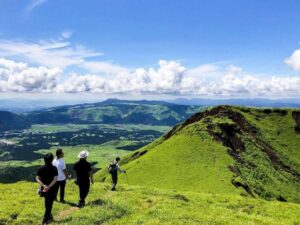
Hiking and Nature Walks
Mount Aso offers a variety of hiking routes, from gentle walks across grasslands to more challenging climbs on volcanic slopes. Trails provide expansive views of the caldera and are suitable for visitors with different fitness levels, depending on conditions.
Scenic Drives and Viewpoints
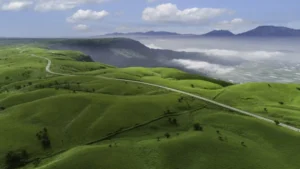
Well-maintained roads allow visitors to explore the area by car or bus. Popular viewpoints offer sweeping vistas of the caldera, central peaks, and surrounding countryside, especially striking at sunrise and sunset.
Seasonal Changes
Mount Aso’s landscape changes dramatically throughout the year:
-
Spring brings fresh green grass and wildflowers
-
Summer offers clear skies and lush scenery
-
Autumn features golden fields and cool air
-
Winter can bring snow-covered peaks and a stark, powerful atmosphere
Each season presents a different expression of the volcano’s character.
Access, Safety, and Travel Tips
How to Get There
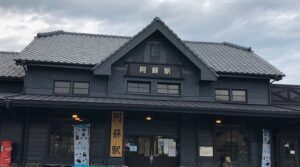
Mount Aso is accessible by train via Aso Station or Miyaji Station, followed by local buses or rental cars. Due to the area’s size, renting a car is often the most convenient way to explore multiple viewpoints and attractions.
Volcanic Safety Information
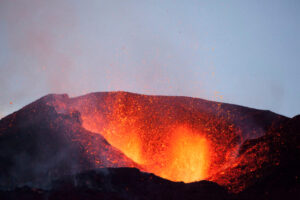
As an active volcano, Mount Aso is closely monitored. Certain areas may be closed depending on gas levels or volcanic activity. Visitors should always:
-
Check local safety information before visiting
-
Follow posted warnings and restrictions
-
Avoid restricted zones
These measures ensure both safety and environmental protection.
Practical Advice for Visitors
-
Weather can change quickly; layered clothing is recommended
-
Strong winds are common near the crater
-
English signage is available at major sites, but limited in rural areas
-
Allow a full day to explore the caldera and surrounding attractions
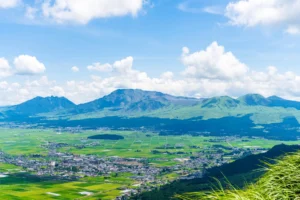
Mount Aso offers foreign visitors an experience unlike anywhere else in Japan: a place where immense volcanic power, open landscapes, and everyday rural life coexist. Its vast scale, active geology, and deep cultural connections make it one of Kyushu’s most impressive destinations. For travelers interested in nature, geology, photography, and authentic regional Japan, Mount Aso is an unforgettable highlight.
Related articles
Official Website
https://www.aso-volcano.jp/eng/
I also share travel information and Japan travel updates on X.
X (formerly Twitter)
 is one of Japan’s most remarkable natural landmarks, located in Kumamot)