Overview
Kurokawa Onsen is one of Japan’s most atmospheric hot spring towns, located in the mountains of Kumamoto Prefecture near Mount Aso. Unlike modern resort towns filled with large hotels, Kurokawa Onsen is known for its traditional aesthetic: wooden ryokan, thatched roofs, stone pathways, and riverside baths. The town prioritizes harmony with nature and limits flashy development, creating a peaceful, timeless environment that feels far removed from modern city life.
Kurokawa is also famous for its outdoor baths (rotenburo), many of which overlook forests, rivers, or waterfalls. Visitors can bathe in multiple hot springs with a single “onsen hopping pass” (Nyūto Tegata), making it one of the most enjoyable hot spring experiences in Japan.
Atmosphere and Town Layout
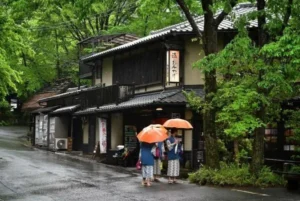
Kurokawa Onsen is built along the Tanoharu River and surrounded by dense woodland. The town is compact and walkable, with ryokan, cafés, souvenir shops, and public baths clustered around a winding, narrow main road.
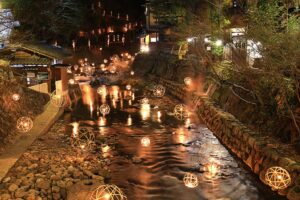
Lighting is intentionally kept soft at night, creating a serene, almost magical ambiance. Because the town follows strict landscape regulations, even new buildings use natural materials such as wood and stone, preserving a unified traditional look.
The Onsen Culture of Kurokawa
Hot Spring Water Characteristics
Kurokawa’s waters vary by location, but common features include:

-
Sulfate, chloride, and bicarbonate springs
-
Milky white, greenish, or clear waters, depending on the source
-
Benefits often associated with skin health, muscle relaxation, and fatigue recovery
Each ryokan draws from its own spring source, giving every bath a unique character.
Outdoor Baths (Rotenburo)
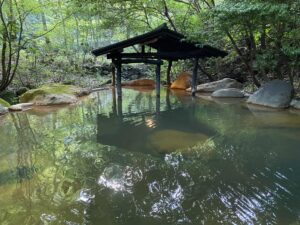
One of Kurokawa’s signatures is its abundance of scenic open-air baths. These range from:
-
Large riverside pools
-
Baths surrounded by moss-covered stones
-
Deep forest rotenburo with mist rising from the water
-
Caves or secluded private outdoor tubs
Many travelers come specifically for the variety of outdoor bathing environments.
Onsen Hopping Pass (Nyūto Tegata)
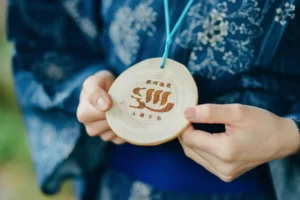
This wooden pass is one of Kurokawa’s trademarks.
How it works:
-
Price: around 1,500 yen
-
Valid for entry into any three participating ryokan baths
-
Available at the visitor center or any ryokan
-
You can stamp the wooden pass at each bath as a souvenir
This pass is ideal for visitors staying only a short time or for those who want to experience multiple baths without staying overnight.
Staying in a Ryokan
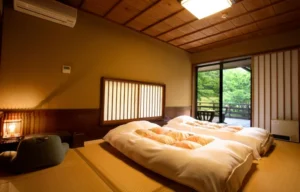
Kurokawa is best experienced by staying at one of its 20+ traditional ryokan. Most ryokan feature:
-
Tatami rooms
-
Kaiseki dinners with local cuisine
-
Private or semi-private baths
-
Access to large rotenburo for overnight guests
Meals often highlight regional ingredients such as:

-
Aso-grown vegetables
-
Local beef (Aso Wagyu)
-
River fish
-
Homemade tofu
-
Mountain herbs
Ryokan stays in Kurokawa tend to be quiet and romantic, making it a popular destination for couples and anniversary trips.
Best Time to Visit
Spring
Pleasant temperatures and fresh greenery. Rivers run clear and full from snow melt.
Summer
Lush forests and cooler temperatures than cities. The sound of flowing water enhances the town’s tranquil atmosphere.
Autumn
Brilliant foliage surrounds many outdoor baths. One of the most photogenic seasons.
Winter
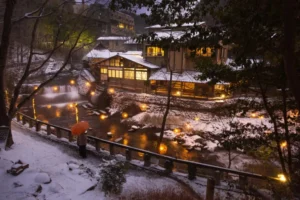
Snow-covered ryokan rooftops and steaming outdoor baths create iconic winter landscapes. Bathing in a rotenburo surrounded by snow is a highlight for many visitors.
Things to Do Beyond Bathing
1. Walk the Town's Scenic Trails
Several short trails lead to river viewpoints, small shrines, and quiet forested areas.
2. Visit Meoto Falls
A pair of waterfalls located just outside the center. The name means “married couple falls.”
3. Café and Local Snack Culture
You’ll find traditional sweets, soft-serve ice cream made with local milk, and small riverside cafés ideal for resting between baths.
4. Local Crafts and Souvenirs
Shops sell handmade pottery, wooden crafts, and the famous onsen hopping pass, which can be preserved as a keepsake.
Etiquette and Tips for First-Time Visitors
-
Wash thoroughly before entering the bath.
-
Do not soak towels in the water. Place them on your head or on the side.
-
Most baths are gender-separated.
-
Some ryokan offer private baths (kashikiri) for couples or families.
-
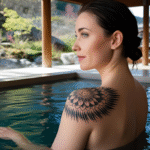
Visitors with tattoos: Some ryokan allow tattoos, some do not. It’s important to check in advance. Many private or reserved baths are tattoo-friendly.
-
Footwear: Walk carefully—stone roads can be slippery, especially in winter or rain.
-
Cash: Some small shops and inns prefer cash, though electronic payment is increasingly accepted.
How to Get There
From Kumamoto City
-
JR train to Aso Station
-
Transfer to a bus bound for Kurokawa Onsen
Total travel time: around 2.5 to 3 hours
From Fukuoka
Direct highway buses run from Hakata Bus Terminal and Fukuoka Airport to Kurokawa Onsen.
Total travel time: about 2.5–3 hours.
By Car
A scenic drive through the Aso region. Winter roads may require caution due to snow or ice.
Why Kurokawa Onsen Is Special

Kurokawa is one of the few onsen towns in Japan that successfully preserves a unified, historically inspired townscape. Its minimal signage, natural atmosphere, and emphasis on traditional ryokan culture make it feel like stepping into a quieter, older version of Japan.
For many travelers, it offers:
-
Some of the most beautiful outdoor baths in the country
-
A rare unity of town design and natural environment
-
Exceptional rural hospitality
-
A slow, peaceful pace ideal for relaxing and disconnecting
If you seek a hot spring destination that balances authenticity, beauty, and tradition, Kurokawa Onsen is one of Japan’s finest choices.
Related articles
Official Website
https://www.kurokawaonsen.or.jp/eng/
I also share travel information and Japan travel updates on X.
X (formerly Twitter)
