Overview of Zuihoden
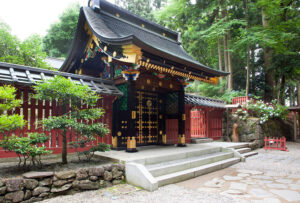
Zuihoden is the ornate mausoleum of Date Masamune, the powerful feudal lord who founded the city of Sendai in Miyagi Prefecture. Located on a forested hillside in Sendai, Zuihoden is one of the most historically and visually impressive mausoleums in Japan, combining elaborate Momoyama-period architecture with a peaceful natural setting.
Originally built in 1637 according to the wishes of Date Masamune, the site reflects the wealth, authority, and artistic sophistication of the Date clan. Although the original structure was destroyed during World War II and later reconstructed, great care was taken to preserve the historical design and decorative style.
For international travelers, Zuihoden offers an immersive experience into samurai history, regional culture, and traditional Japanese craftsmanship.
History of Date Masamune and the Date Clan
Who Was Date Masamune?
Date Masamune was one of the most famous daimyo (feudal lords) of Japan’s Sengoku and early Edo periods. Known for his military skill, political intelligence, and distinctive black armor with a crescent moon helmet, he played a major role in the development of northeastern Japan.
He established Sendai as the political and cultural center of the region, shaping the city’s identity for centuries.
Construction of Zuihoden
Following Masamune’s death in 1636, his mausoleum was constructed the following year on Mount Kyogamine, a site chosen according to his wishes.
The mausoleum became the burial site not only for Masamune but also for later members of the Date family, reinforcing its importance as a dynastic memorial complex.
Wartime Destruction and Reconstruction
The original Zuihoden was destroyed during air raids in World War II. The current structure was reconstructed in 1979 using historical records, photographs, and surviving design references.
Restoration work aimed to faithfully recreate the original colors, carvings, and decorative details.
Architecture and Artistic Features
Momoyama-Style Decoration
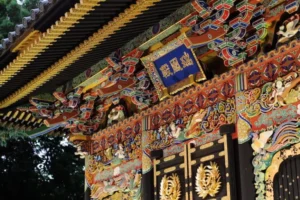
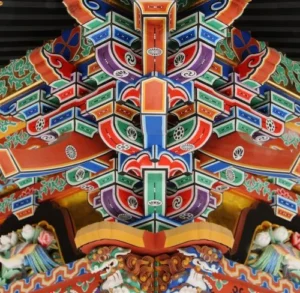
Zuihoden is renowned for its lavish Momoyama-style architecture, characterized by bold colors, intricate carvings, and luxurious ornamentation.
Visitors will notice:
- Bright black lacquer surfaces
- Gold leaf accents
- Vibrant blue, green, and red decorative elements
- Elaborate carvings of mythical animals and floral patterns
This style contrasts with the simplicity often associated with Zen temples and creates a visually striking atmosphere.
The Mausoleum Structure
The mausoleum building stands elevated among cedar trees, approached through stone paths and traditional gates. The structure combines spiritual symbolism with displays of feudal prestige.
The surrounding forest enhances the sense of tranquility and separation from the modern city.
Museum and Excavated Artifacts
The site includes a museum displaying artifacts excavated from the mausoleum area, including:
- Samurai armor and weapons
- Personal belongings of the Date family
- Historical documents and burial items
These exhibits provide additional historical context and insight into elite samurai culture.
Visitor Experience and Seasonal Beauty
Forested Approach and Atmosphere
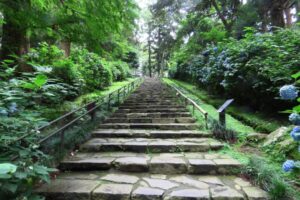
Visitors reach Zuihoden by walking along shaded paths lined with tall cedar trees. The gradual ascent creates a calm and reflective atmosphere before arriving at the mausoleum.
The natural surroundings contribute significantly to the experience.
Seasonal Highlights
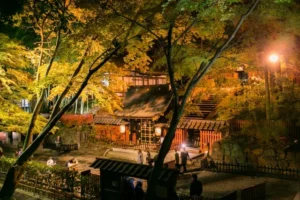
The site changes dramatically throughout the year:
- Spring brings fresh greenery and soft light filtering through trees
- Summer offers deep forest colors and cool shade
- Autumn transforms the grounds with vibrant red and orange foliage
- Winter creates a quiet, snow-covered landscape
Autumn is particularly popular for photography due to the contrast between colorful leaves and the ornate mausoleum.
Photography Opportunities
Popular photo subjects include:
- The richly decorated mausoleum facade
- Stone lanterns along the pathways
- Seasonal foliage surrounding the buildings
The balance between architecture and nature makes Zuihoden highly photogenic.
Practical Information and Travel Tips
Access and Transportation
Zuihoden is located relatively close to central Sendai and can be reached by bus, taxi, or on foot from nearby transportation hubs.
Many visitors combine the site with other attractions associated with Date Masamune and Sendai’s historical districts.
Best Time to Visit
Morning visits are recommended for quieter conditions and softer lighting. Autumn is considered one of the best seasons due to the colorful foliage.
Rainy days can also create a beautiful atmosphere, with wet stone paths and enhanced forest colors.
Visitor Etiquette
As Zuihoden is a mausoleum and memorial site, respectful behavior is expected. Visitors should:
- Speak quietly in sacred areas
- Avoid touching historical structures
- Follow photography rules where indicated
Comfortable walking shoes are recommended due to stone paths and stairs.
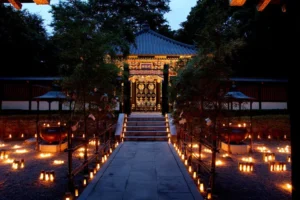
Zuihoden stands as one of the most impressive examples of samurai-era memorial architecture in Japan. Its connection to Date Masamune, combined with its richly decorated design and peaceful forest setting, creates a deeply memorable cultural experience.
For international travelers interested in Japanese history, samurai heritage, and traditional artistry, Zuihoden offers a fascinating journey into the legacy of one of Japan’s most influential feudal lords.
Related articles



Official Website
I also share travel information and Japan travel updates on Instagram.
Instagram
