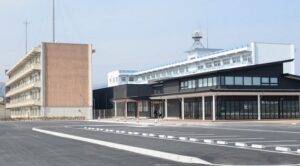
Overview
The Kesennuma City Memorial Museum of the Great East Japan Earthquake is a disaster memorial and learning facility located in Kesennuma City, Miyagi Prefecture, northeastern Japan. The museum stands on land that was directly affected by the Great East Japan Earthquake and the massive tsunami that followed on March 11, 2011.
Unlike conventional museums, this facility serves as a site of memory, testimony, and education, preserving real disaster remains and firsthand accounts to ensure that the lessons of the earthquake and tsunami are passed on to future generations worldwide.
Purpose and Philosophy
The museum was established with three core objectives:
-
To preserve the reality of the disaster through authentic physical evidence
-
To honor the lives lost and the experiences of survivors
-
To educate visitors about disaster preparedness, resilience, and recovery
Rather than focusing solely on tragedy, the museum emphasizes human resilience, community strength, and the importance of disaster awareness, making it especially meaningful for international visitors from disaster-prone regions.
The 2011 Disaster in Kesennuma
Earthquake and Tsunami Impact
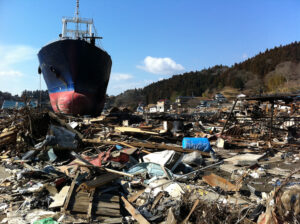
On March 11, 2011, Kesennuma was struck by:
-
A magnitude 9.0 earthquake offshore
-
A powerful tsunami exceeding 10 meters in some areas
-
Widespread fires caused by spilled fuel and debris
The tsunami destroyed large portions of the coastal city, claiming lives and devastating the fishing industry that formed the backbone of the local economy.
Museum Exhibits and Highlights
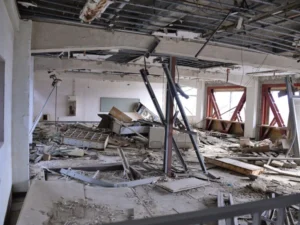
Preserved Disaster Remains
One of the museum’s most strikin
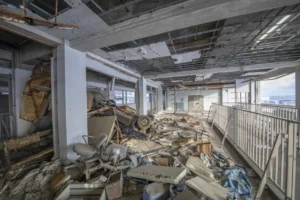
g features is its incorporation of actual tsunami-damaged structures, preserved exactly as they were found after the disaster.
These remains allow visitors to:
-
Visually grasp the immense force of the tsunami
-
Understand how buildings and infrastructure failed
-
Experience the scale of destruction beyond photographs
Multimedia Testimonies
The museum presents survivor stories through:
-
Video interviews
-
Recorded voices of residents
-
Subtitled visual presentations for international visitors
These firsthand accounts describe evacuation experiences, loss, fear, and the moments that determined survival or tragedy.
Timeline of March 11, 2011
A detailed chronological exhibit explains:
-
Events leading up to the earthquake
-
The progression of tsunami warnings
-
How quickly the disaster unfolded
This section helps visitors understand how limited time and information shaped critical decisions.
Disaster Science and Education
Educational displays explain:
-
Earthquake mechanics
-
Tsunami generation and behavior
-
Why tsunami heights varied by location
Clear diagrams and multilingual explanations make complex science accessible to visitors without technical backgrounds.
Recovery and Reconstruction
Community Rebuilding

Exhibits document Kesennuma’s recovery, including:
-
Debris removal
-
Housing reconstruction
-
Restoration of fisheries and ports
Photographs and models show how the city transformed from devastation to renewal.
Lessons for the Future
The museum emphasizes disaster preparedness by highlighting:
-
Evacuation planning
-
Importance of early action
-
Community cooperation
Visitors are encouraged to reflect on how these lessons apply to their own countries and communities.
Visitor Experience
Recommended Visit Time
Most visitors spend 60 to 90 minutes, though those engaging deeply with testimonies and educational materials may spend longer.
Language Support
-
English explanations are widely available
-
Visual storytelling minimizes language barriers
-
Staff may provide basic assistance in English
Location and Access
Getting There
Kesennuma City is accessible by:
-
Train and bus connections from Sendai
-
Car travel via coastal highways
The museum is located near former tsunami-affected zones, reinforcing the authenticity of the experience.
Surrounding Area
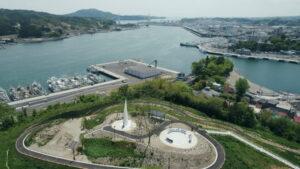
Nearby sites include:
-
Coastal reconstruction districts
-
Memorial parks and viewpoints
-
Kesennuma fishing port and seafood restaurants
Combining the museum with a walk through the rebuilt city offers deeper understanding of recovery efforts.
Etiquette and Visitor Considerations
-
Photography rules should be followed carefully
-
Quiet behavior is encouraged in memorial spaces
-
Some exhibits may be emotionally challenging
-
Children should be accompanied by adults
Best Time to Visit
The museum is open year-round. Visiting on weekdays allows for a quieter, more reflective experience. Seasonal weather does not significantly affect indoor exhibits.
Why You Should Visit
The Kesennuma City Memorial Museum of the Great East Japan Earthquake offers far more than historical information. It provides:
-
A rare opportunity to confront the reality of natural disasters
-
A human-centered perspective on survival and loss
-
Practical lessons applicable to global disaster preparedness
For international travelers seeking meaningful, educational, and reflective experiences, this museum stands as one of Japan’s most important disaster memorial sites.
Related articles

Official Website
https://www.kesennuma-memorial.jp/english/
I also share travel information and Japan travel updates on Instagram.
Instagram
Recommended Travel Services
