Overview
Nyūtō Onsenkyō is a historic hot spring village located deep in the mountains of Akita Prefecture, northern Japan. It lies within Towada-Hachimantai National Park, surrounded by dense forests, volcanic terrain, and heavy snowfall in winter.
Renowned for its secluded atmosphere and traditional ryokan, Nyūtō Onsenkyō represents the classic image of a Japanese mountain hot spring retreat. The area is especially famous for its rustic outdoor baths, natural mineral waters, and a timeless atmosphere that feels far removed from modern city life.
What Is Nyūtō Onsenkyō?

Nyūtō Onsenkyō is not a single hot spring, but a cluster of seven historic hot spring inns, each with its own unique source, mineral composition, and architectural style. These inns are scattered through forested valleys near Mount Nyūtō.
Visitors can either stay overnight at a ryokan or enjoy multiple baths using a special onsen-hopping pass.
The Seven Traditional Hot Spring Inns
The onsen area consists of the following ryokan:
-
Tsurunoyu Onsen
-
Taenoyu
-
Ganiba Onsen
-
Kuroyu Onsen
-
Magoroku Onsen
-
Ogama Onsen
-
Kyukamura Nyuto Onsenkyo
Each ryokan has its own personality, ranging from extremely rustic to more modern and comfortable.
Tsurunoyu Onsen — The Icon of Nyūtō

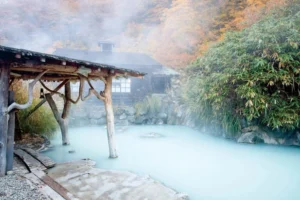
Tsurunoyu Onsen is the most famous and photographed ryokan in the area. Founded over 350 years ago, it is known for:
-
White, milky sulfuric water
-
Thatched-roof wooden buildings
-
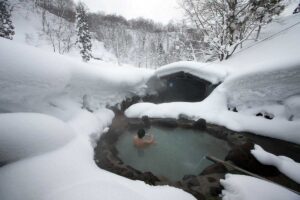
Snow-covered outdoor baths in winter
The main outdoor bath is traditionally mixed-gender, though separate women-only baths are also available.
Hot Spring Water and Health Benefits
The waters of Nyūtō Onsenkyō vary by location and include:
-
Sulfur springs
-
Sodium chloride springs
-
Hydrogen sulfide waters
These minerals are traditionally believed to help with:
-
Fatigue and stress relief
-
Muscle and joint pain
-
Improved circulation
Each ryokan posts information about the mineral content and recommended bathing duration.
Onsen-Hopping Experience
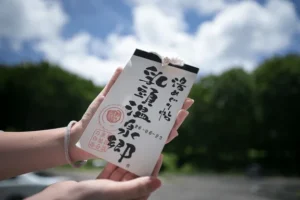
One of Nyūtō’s unique attractions is the Yumeguri Pass, which allows visitors to bathe at multiple inns.
-
Valid for one year
-
Grants access to most baths across the seven inns
-
Ideal for day-trippers and overnight guests
This system encourages visitors to explore the entire onsen village rather than staying in one place.
Seasonal Atmosphere
Winter
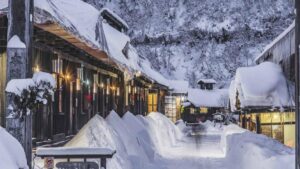
Winter is the most iconic season. Heavy snowfall transforms the area into a silent white landscape. Outdoor baths surrounded by snow are a highlight, but access can be challenging.
Spring
Snow begins to melt, streams swell, and fresh greenery appears. Fewer visitors make this a peaceful time to visit.
Summer
Cool mountain air provides relief from Japan’s summer heat. Hiking and nature walks are popular.
Autumn
Brilliant autumn foliage colors the forests, making this one of the most visually striking seasons.
Accommodation and Dining
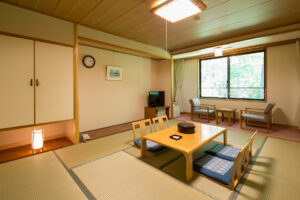
Staying overnight includes:
-
Traditional tatami rooms
-
Futon bedding
-
Kaiseki-style meals featuring local ingredients
Meals often showcase:

-
Akita rice
-
Mountain vegetables
-
River fish
-
Local sake
Advance reservations are strongly recommended, especially during peak seasons.
Onsen Etiquette for International Visitors
-
Wash thoroughly before entering the bath
-
Enter the water quietly and slowly
-
Towels should not touch the bath water
-
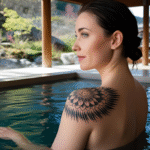
Tattoos may be restricted depending on the ryokan
-
Bathing suits are not allowed
Mixed-gender baths follow traditional customs; check each ryokan’s rules in advance.
Access and Transportation
Getting There
-
Train to Tazawako Station
-
Bus from Tazawako Station to Nyūtō Onsenkyō
-
Travel time is approximately 50 minutes by bus
During winter, buses may be delayed due to snow conditions.
Nearby Attractions
-
Lake Tazawa, Japan’s deepest lake
-
Beech forests and hiking trails
-
Ski resorts in winter
Nyūtō Onsenkyō is often combined with other nature-focused destinations in Akita.
Best Time to Visit
-
February: Snow scenery and winter bathing
-
May–June: Fresh greenery and mild weather
-
October: Peak autumn foliage
Each season offers a distinct atmosphere.
Practical Travel Tips
-
Bring cash, as card payment may not be accepted
-
Mobile phone reception can be limited
-
Winter footwear with good traction is essential
-
Luggage forwarding services are recommended
Why You Should Visit Nyūtō Onsenkyō
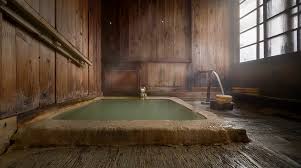
Nyūtō Onsenkyō offers one of Japan’s most authentic hot spring experiences. Its isolation, traditional architecture, and natural surroundings create a sense of stepping back in time.
For international travelers seeking genuine Japanese onsen culture, quiet mountain scenery, and a deeply relaxing environment, Nyūtō Onsenkyō stands as one of Japan’s most unforgettable destinations.
Related articles
Official Website
lhttps://ryokan.glocal-promotion.com/
I also share travel information and Japan travel updates on Instagram.
Instagram
