Overview
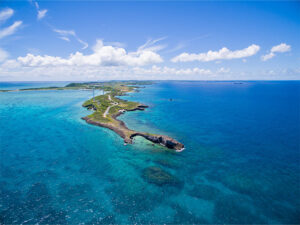
Miyako Island (Miyakojima) is a subtropical island located in Okinawa Prefecture, approximately 300 kilometers southwest of the main Okinawa Island. Known for its exceptionally clear turquoise waters, white sandy beaches, and relaxed island atmosphere, Miyako Island is widely regarded as one of Japan’s premier beach destinations.
Unlike many resort-heavy islands, Miyako Island balances modern tourism with local culture and everyday life. The island is relatively flat, making it easy to explore, and its surrounding coral reefs and shallow seas create ideal conditions for swimming, snorkeling, and marine activities. For foreign visitors, Miyako Island offers a tropical experience that feels distinctly Japanese yet culturally connected to the wider Ryukyu Islands.
Natural Scenery and Beaches
Iconic Beaches and Coastlines
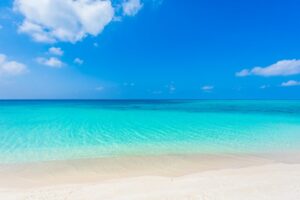
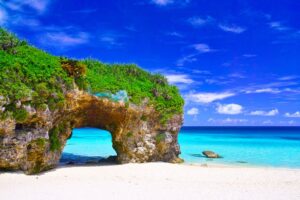
Miyako Island is famous for its beaches, each with a different character. Yonaha Maehama Beach is often cited as one of the most beautiful beaches in Japan, featuring a long stretch of powdery white sand and shallow, calm waters. Sunayama Beach, with its natural rock arch, offers a more dramatic coastal landscape, while Aragusuku Beach is popular for snorkeling due to its coral formations.
Coral Reefs and Marine Life
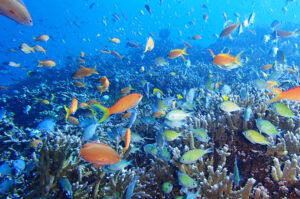
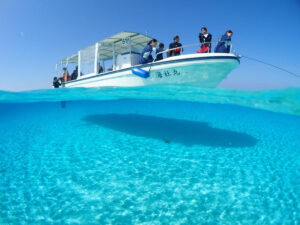
The waters around Miyako Island are home to vibrant coral reefs and a wide variety of tropical fish. Visibility is excellent throughout much of the year, making the island suitable for beginners and experienced snorkelers alike. Sea turtles are occasionally spotted in protected areas.
Seasonal Climate and Weather
Miyako Island enjoys a warm climate year-round. Summers are hot and ideal for ocean activities, while winters remain mild, allowing visitors to enjoy the island without extreme cold. The rainy season and occasional typhoons typically occur from early summer to early autumn.
Culture, History, and Local Life

Ryukyu Heritage and Language
Miyako Island has a distinct cultural identity shaped by the Ryukyu Kingdom. Traditional music, local festivals, and the Miyako language, a Ryukyuan language different from standard Japanese, reflect the island’s unique heritage.
Shrines, Sites, and Traditions
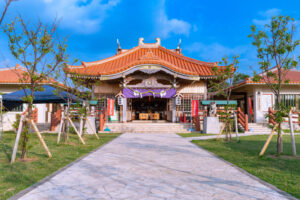
While the island is not known for large temples, visitors can explore small local shrines and historical sites that reveal aspects of island spirituality and community life. These places emphasize respect for nature, ancestors, and the sea.
Local Cuisine and Food Culture
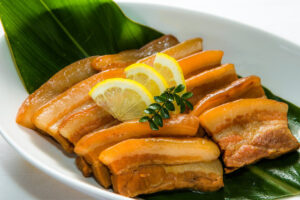
Miyako Island cuisine highlights local ingredients and simple preparation. Popular dishes include Miyako soba, a wheat-based noodle soup distinct from Okinawa soba, as well as seafood, tropical fruits, and locally raised beef. Many small restaurants offer a casual, welcoming dining experience.
Activities and Experiences
Marine and Outdoor Activities
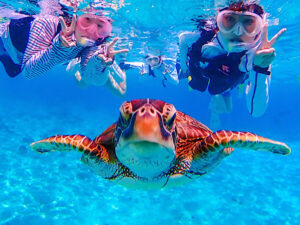
Swimming, snorkeling, scuba diving, kayaking, and stand-up paddleboarding are major attractions. The calm, shallow waters around the island are especially suitable for beginners and families.
Island Hopping and Bridges
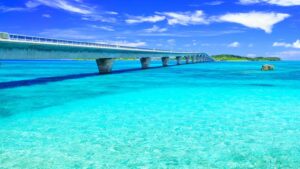
Miyako Island is connected to several smaller islands by long, scenic bridges. Irabu Bridge, one of the longest free bridges in Japan, offers panoramic ocean views and easy access to Irabu and Shimoji Islands. These areas provide quieter beaches and additional snorkeling spots.
Cycling and Scenic Drives
Due to its flat terrain and well-maintained roads, Miyako Island is ideal for cycling and leisurely drives. Coastal routes offer uninterrupted ocean views and frequent places to stop for photography.
Travel Information and Practical Tips
Access and Transportation
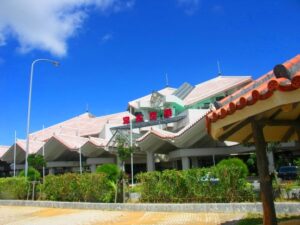
Miyako Island is accessible by direct flights from major Japanese cities, including Tokyo and Osaka, as well as from Naha on Okinawa Island. Miyako Airport and Shimojishima Airport serve the island. Renting a car is highly recommended, as public transportation is limited.
Best Time to Visit
-
Spring: Comfortable temperatures and clear seas
-
Summer: Peak season for beach activities
-
Autumn: Fewer crowds, though weather should be monitored
-
Winter: Mild climate and quieter atmosphere
Visitor Etiquette and Environmental Awareness
-
Respect coral reefs and marine life by avoiding contact
-
Follow local guidelines for beach use and water safety
-
Dispose of trash properly, as the island’s ecosystem is fragile
-
Be mindful of local customs and community spaces
Miyako Island offers foreign visitors an ideal blend of natural beauty, relaxed island culture, and accessible outdoor adventure. With its crystal-clear seas, welcoming local life, and easy-to-explore layout, the island is well suited for travelers seeking both comfort and authenticity in a tropical Japanese setting.
Related articles
Official Website
https://www.japan.travel/en/destinations/okinawa/okinawa/miyako-island/
I also share travel information and Japan travel updates on X.
X (formerly Twitter)
Recommended Travel Services
 is a subtropical island located in Okinawa Prefecture, approxima)