Overview
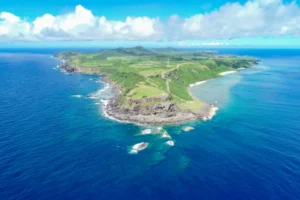
Yonaguni Island is Japan’s westernmost inhabited island, located at the far edge of Okinawa Prefecture. It lies closer to Taiwan than to mainland Japan and is known for its dramatic cliffs, powerful ocean scenery, free-roaming horses, and a unique local culture shaped by isolation and cross-border influences.
Unlike Okinawa’s main tourist centers, Yonaguni offers a raw and rugged travel experience. It attracts visitors interested in unspoiled nature, underwater exploration, and Japan’s geographic extremes.
Geography and Natural Environment
Location and Landscape
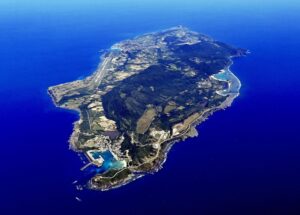
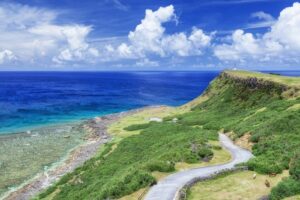
Yonaguni is a small island measuring approximately 12 kilometers east to west and 4 kilometers north to south. The island is shaped by strong winds and ocean currents, resulting in:
-
Sheer coastal cliffs
-
Open grasslands
-
Rocky shorelines
-
Limited sandy beaches
The western and southern coasts are especially dramatic, with waves crashing against volcanic rock formations.
Climate
Yonaguni has a subtropical climate:
-
Hot and humid summers
-
Mild winters
-
Strong winds throughout the year
-
Typhoon season typically from July to October
Natural Highlights
Cape Irizaki (Japan’s Westernmost Point)
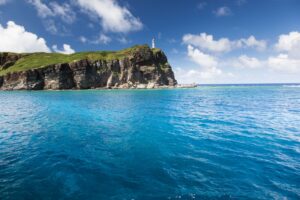
Cape Irizaki marks the westernmost point of Japan. It features:
-
A simple monument and lighthouse
-
Sweeping views of the East China Sea
-
Spectacular sunsets
On exceptionally clear days, Taiwan may be visible on the horizon.
Free-Roaming Yonaguni Horses
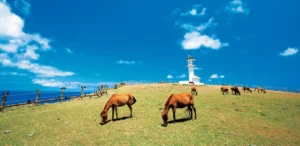
Small, sturdy Yonaguni horses roam freely across fields and roads. They are a native breed once used for farming and transportation. Visitors should observe them respectfully and avoid feeding without local permission.
Underwater World and Diving
Yonaguni Monument
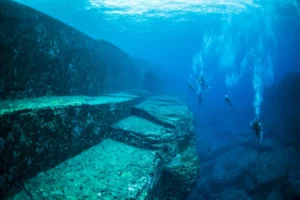
One of the island’s greatest mysteries lies beneath the sea: a massive underwater rock formation with sharp angles and step-like terraces. Some believe it to be a natural geological structure; others argue it is the remains of an ancient man-made monument.
The site is accessible only to experienced divers due to strong currents.
Hammerhead Shark Diving
From winter to early spring, schools of hammerhead sharks gather offshore. This phenomenon makes Yonaguni one of the world’s premier seasonal shark diving destinations.
Due to challenging conditions, diving is recommended only for advanced and certified divers.
Beaches and Coastal Spots
Kubura-bari (Kubura-furishi)
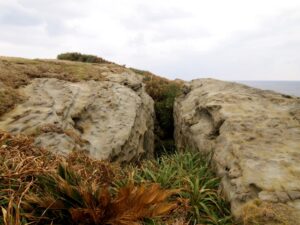
A narrow coastal passage where waves surge dramatically between rock walls. The spot has historical significance tied to legends of population control in the Ryukyu Kingdom era.
Hikawa Beach
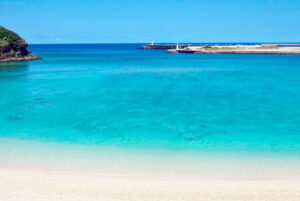
One of the few sandy beaches on the island, suitable for swimming during calm conditions.
History and Culture
Ryukyuan Heritage
Yonaguni has its own language (Yonaguni-go), traditional dances, and customs distinct from mainland Okinawa. While the language is endangered, cultural preservation efforts continue through festivals and education.
Dr. Koto Clinic Filming Site
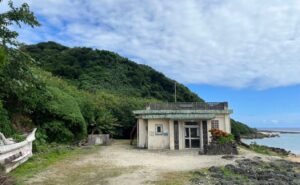
Yonaguni gained national attention as the filming location for the Japanese TV drama “Dr. Koto’s Clinic.” Visitors can see the preserved set, which has become a popular sightseeing spot.
Local Cuisine
Local dishes often feature:

-
Fresh fish and seafood
-
Island vegetables
-
Okinawan-style pork dishes
-
Awamori (local distilled spirit)
Dining options are limited but offer authentic island flavors.
Getting Around the Island
Transportation
-
Rental cars are highly recommended
-
Scooters and bicycles are available but less practical due to strong winds
-
Taxis are limited
Distances are short, but steep roads and exposure to wind make walking challenging.
Access to Yonaguni Island
By Air
Daily flights connect Yonaguni with:
-
Naha (Okinawa)
-
Ishigaki Island
Flights may be delayed or canceled due to weather.
By Sea
Ferry services are infrequent and highly weather-dependent, often suspended during rough conditions.
Best Time to Visit
-
November to March: Cooler weather; best for hammerhead shark diving
-
April to June: Pleasant climate with fewer tourists
-
July to October: Hot with possible typhoons
Spring and autumn are ideal for general sightseeing.
Travel Tips
-
Weather can change rapidly; plan extra days for flexibility.
-
Cash is essential, as ATMs and card payment options are limited.
-
Respect local customs and wildlife.
-
Strong winds are common—secure hats and loose clothing.
-
Diving conditions are challenging; ensure proper certification and experience.
Why You Should Visit Yonaguni Island
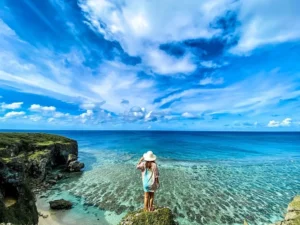
Yonaguni Island offers a rare chance to experience the farthest edge of Japan—geographically, culturally, and visually. Its wild landscapes, mysterious underwater formations, and deep-rooted traditions create a travel experience unlike anywhere else in the country.
For adventurous travelers seeking remote destinations, natural drama, and cultural depth, Yonaguni Island stands apart as one of Japan’s most compelling islands.
Related articles
Official Website
https://visitokinawajapan.com/destinations/yaeyama-islands/yonaguni-island/
Great Accommodation Site
