Overview
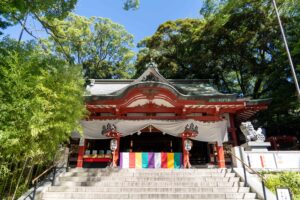
Kinomiya Shrine is an ancient Shinto shrine located in the hot spring town of Atami, Shizuoka Prefecture. Surrounded by dense forest despite its central location, the shrine is best known for its sacred camphor tree, one of the oldest and largest in Japan, and for its strong association with longevity, good fortune, and spiritual renewal.
Easily accessible and deeply atmospheric, Kinomiya Shrine offers international visitors a quiet yet powerful introduction to Shinto beliefs rooted in nature worship.
Historical Background
Kinomiya Shrine is believed to have been founded more than 2,000 years ago, making it one of the oldest shrines in the Izu region. It enshrines Izanagi-no-Mikoto, a central deity in Japanese mythology associated with creation, life force, and renewal.
Because of Atami’s long history as a place of healing hot springs, the shrine has long been revered as a guardian site for health, recovery, and protection from misfortune. Local rulers, travelers, and residents have worshiped here for centuries, seeking longevity and safe passage through life.
Sacred Camphor Tree (Ōkusu)
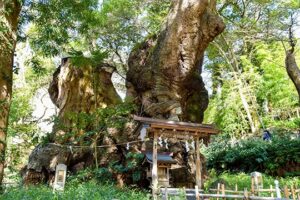
The shrine’s most famous feature is its enormous sacred camphor tree, known as the Great Camphor Tree of Kinomiya.
Key facts include:
-
Estimated age: over 2,000 years
-
Trunk circumference: approximately 24 meters
-
Designated as a national natural monument
According to tradition, walking once around the tree extends one’s lifespan by one year, while completing a second circuit brings good luck and prosperity. The tree is wrapped with a sacred Shinto rope (shimenawa), symbolizing its status as a dwelling place of divine spirit.
Even for non-religious visitors, the sheer scale and presence of the tree create a powerful sense of awe.
Shrine Grounds and Layout
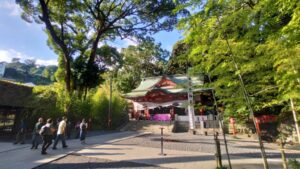
Kinomiya Shrine’s grounds are compact but richly layered.
Visitors will encounter:
-
A traditional torii gate marking the sacred boundary
-
Stone lanterns lining forest paths
-
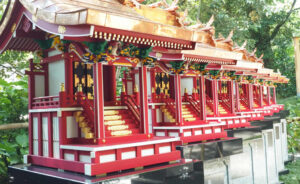
Small subsidiary shrines dedicated to various aspects of daily life
-
Flowing springs and shaded resting areas
The natural forest setting reflects core Shinto values, where gods (kami) are believed to inhabit natural features such as trees, rocks, and water.
Spiritual and Cultural Significance
Kinomiya Shrine is closely associated with:
-
Longevity and vitality
-
Good fortune in business and personal life
-
Protection from disaster
-
Spiritual purification
Many visitors come to pray for health, recovery from illness, or success in new beginnings. The shrine is also popular among younger visitors for its calm yet accessible atmosphere and its blend of tradition with modern amenities.
Rituals and Worship
Visitors are welcome to participate respectfully in Shinto worship.
Typical practices include:
-
Cleansing hands and mouth at the purification basin
-
Offering coins at the main hall
-
Bowing, clapping twice, and bowing again while praying
Shrine amulets (omamori) and fortune slips (omikuji) are available, many focusing on health, longevity, and protection.
Seasonal Atmosphere
-
Spring: Fresh greenery and mild temperatures enhance the forest setting
-
Summer: Deep shade provides relief from heat; the shrine feels especially refreshing
-
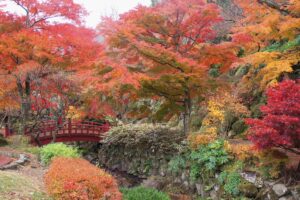
Autumn: Softer light and cooler air create a contemplative mood
-
Winter: Quiet grounds and crisp air emphasize the shrine’s solemn character
The camphor tree remains impressive in every season, offering a constant focal point throughout the year.
Access

Kinomiya Shrine is extremely convenient for travelers.
From Tokyo:
-
Take the JR Tōkaidō Shinkansen or JR Tōkaidō Line to Atami Station
-
Transfer to the JR Itō Line and get off at Kinomiya Station
-
Walk approximately 5 minutes
The shrine is located close to residential areas, reinforcing its role as a living place of worship rather than a remote monument.
Visitor Etiquette
-
Keep voices low within the grounds
-
Do not touch sacred objects or ropes
-
Follow photography guidelines, especially near the main hall
-
Walk respectfully around the camphor tree
As an active shrine, Kinomiya Shrine should be approached with mindfulness and respect.
Facilities
-
Small café and rest area within the grounds
-
Shrine shop selling amulets and souvenirs
-
Clean restrooms available
-
Clear signage, including English explanations
The shrine is mostly flat and accessible for visitors of various ages.
Nearby Attractions
-
Atami hot springs and seaside promenade
-
MOA Museum of Art
-
Scenic coastal walks overlooking Sagami Bay
Kinomiya Shrine fits naturally into a relaxed Atami sightseeing itinerary.
Who Should Visit
-search.yahoo_.co_.jp_-300x246.png)
-
Travelers interested in Shinto and Japanese spirituality
-
Visitors seeking calm and reflection
-
Those curious about sacred trees and nature worship
-
Travelers wanting meaningful cultural experiences without long travel times
Why Kinomiya Shrine Is Unique
Kinomiya Shrine stands out for its:
-
Extraordinary ancient camphor tree
-
Deep connection between nature and spirituality
-
Accessibility combined with profound historical depth
Rather than relying on grand architecture, the shrine’s power lies in its living natural presence.
Conclusion
Kinomiya Shrine offers international visitors a rare opportunity to experience Japan’s spiritual traditions through nature itself. Standing beneath the massive camphor tree, visitors can feel a tangible connection to centuries of belief, prayer, and continuity.
For those seeking tranquility, cultural understanding, and a sense of timelessness within easy reach of Tokyo, Kinomiya Shrine is one of the most meaningful destinations in the Atami area.
Related articles

-
Sawayaka — A visitor’s deep guide (for international travelers) – Shizuoka
Sawayaka is a regional cult-favorite hamburger-steak chain found only in Shizuoka Prefecture. Locals ...
-
Satta Pass – Shizuoka
Satta Pass is a scenic mountain pass located in Shizuoka Prefecture, near the cities of Shizuoka and ...
Official Website
https://www.kanpai-japan.com/atami/kinomiya-jinja-shrine
I also share travel information and Japan travel updates on X.
X (formerly Twitter)
