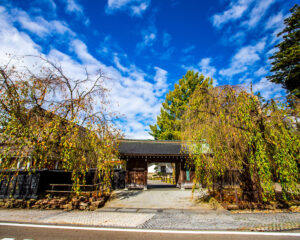
Overview of the Kakunodate Samurai District
The Kakunodate Samurai District is a historic neighborhood located in Kakunodate, Akita Prefecture, in northern Japan. Often referred to as the “Little Kyoto of Tohoku,” this district preserves the atmosphere of a former castle town where high-ranking samurai families once lived during the Edo period (1603–1868).
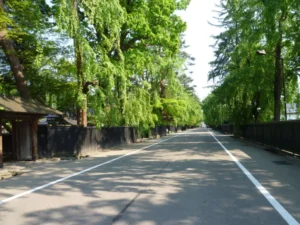
The area is especially famous for its wide streets lined with black wooden fences, traditional samurai residences, and seasonal cherry blossoms. Unlike reconstructed sites, many buildings in Kakunodate are original or carefully maintained, offering visitors an authentic glimpse into Japan’s feudal past.
For foreign travelers interested in history, architecture, and traditional townscapes, the Kakunodate Samurai District is one of the most rewarding destinations in the Tohoku region.
Historical Background and Samurai Culture
Development as a Castle Town
Kakunodate was developed in the early 17th century as a castle town under the Satake clan. The town was carefully planned, with residential areas divided according to social status. The samurai district was reserved for higher-ranking retainers, while merchants and craftsmen lived in separate quarters.
Samurai Lifestyle and Social Structure
Samurai in Kakunodate lived in spacious compounds surrounded by fences and gardens. These residences reflected both military status and refined cultural tastes, combining practicality with aesthetic design. The layout of the district illustrates the strict social hierarchy of the Edo period.
Preservation and Cultural Value
Today, the Kakunodate Samurai District is designated as an Important Preservation District for Groups of Traditional Buildings. Preservation efforts focus on maintaining not only the buildings but also the overall streetscape and historical atmosphere.
Architecture and Seasonal Scenery
Samurai Residences and Design
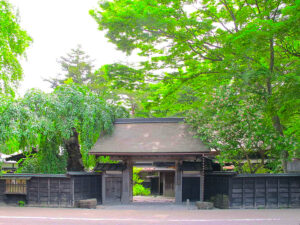
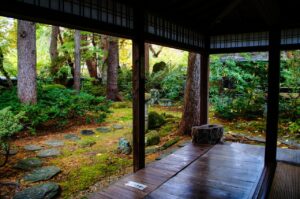
Several former samurai homes are open to the public, allowing visitors to explore tatami rooms, sliding doors, gardens, and household artifacts. The architecture emphasizes natural materials, subdued colors, and harmony with the surrounding environment.
Cherry Blossoms in Spring
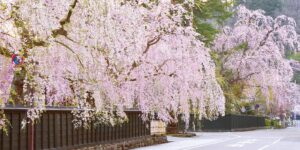
Kakunodate is one of Japan’s most famous cherry blossom destinations. In spring, large weeping cherry trees (shidare-zakura) within the samurai district bloom spectacularly, creating a dramatic contrast with the dark wooden buildings. This season attracts visitors from across Japan and abroad.
Autumn and Winter Atmosphere
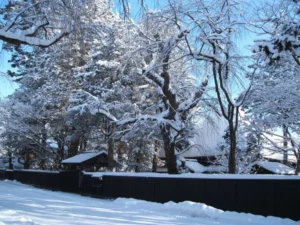
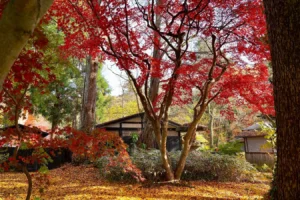
In autumn, fallen leaves and clear air enhance the district’s quiet elegance. In winter, snow-covered roofs and fences transform the area into a serene, almost monochrome landscape, offering a completely different but equally memorable experience.
Walking Experience and Highlights
Exploring on Foot
The district is compact and best explored on foot. Walking slowly through the streets allows visitors to appreciate details such as stone paths, gates, and traditional gardens hidden behind fences.
Museums and Cultural Facilities
Some samurai residences function as small museums, displaying armor, weapons, documents, and everyday items. These exhibits provide context for understanding samurai life beyond popular images.
Nearby Attractions
The samurai district is within walking distance of Kakunodate’s merchant area and the Hinokinai River, which is also lined with cherry trees. Combining these areas creates a well-rounded historical and scenic visit.
Practical Information for Visitors

Access and Transportation
Kakunodate is accessible by train from major cities in Tohoku. From Kakunodate Station, the samurai district is approximately a 20-minute walk. Local buses and taxis are also available.
Best Time to Visit
-
Spring: Cherry blossom season, highly popular
-
Summer: Lush greenery and quieter streets
-
Autumn: Colorful foliage and mild weather
-
Winter: Snowy scenery and fewer visitors
Each season highlights a different aspect of the district’s character.
Visitor Etiquette and Tips
-
Respect private residences and posted signs
-
Avoid loud conversations, especially near homes
-
Photography is generally allowed outdoors but be mindful of residents
-
Wear comfortable shoes for walking
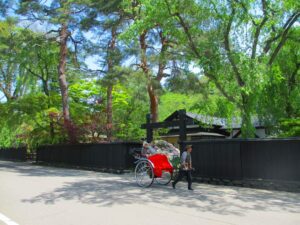
The Kakunodate Samurai District offers foreign visitors a rare opportunity to walk through a living example of a Japanese samurai town. Its well-preserved architecture, strong seasonal beauty, and quiet dignity create an immersive experience that connects visitors directly with Japan’s feudal history and cultural traditions.
Related articles

Official Website
https://www.tohokukanko.jp/en/attractions/detail_1203.html
I also share travel information and Japan travel updates on Instagram.
Instagram
