Overview
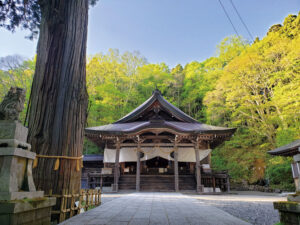
Togakushi Shrine is a historic Shinto shrine complex located in the mountains of Nagano Prefecture, northwest of Nagano City. Set at the foot of Mount Togakushi, the shrine is surrounded by dense cedar forests, clear mountain air, and dramatic natural scenery. Rather than being a single structure, Togakushi Shrine consists of five separate shrine areas spread across the mountain foothills.
With a history of more than 2,000 years according to tradition, Togakushi Shrine is deeply connected to Japanese mythology and mountain worship. For foreign visitors, it offers a powerful combination of spiritual heritage, hiking experiences, and natural beauty.
Mythology and Historical Significance
Connection to Japanese Creation Myth
Togakushi Shrine is linked to the myth of the sun goddess Amaterasu, who hid in a cave, plunging the world into darkness. According to legend, the cave door was later thrown away and landed in this mountainous region, forming Mount Togakushi. The shrine enshrines deities associated with this story.
Shugendo and Mountain Worship
The Togakushi area was historically a center for Shugendo, a form of mountain ascetic practice blending Shinto and Buddhist elements. For centuries, practitioners trained in the forests and mountains here, reinforcing the area’s sacred character.
Long Pilgrimage Tradition
Pilgrims have visited Togakushi for generations, walking between the different shrine areas as a form of spiritual journey. Even today, the approach paths maintain a solemn and contemplative atmosphere.
The Five Shrine Areas
Okusha (Upper Shrine)
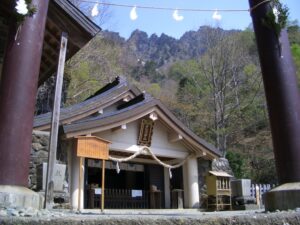 The most famous section is the Okusha, or Upper Shrine. Visitors walk approximately 2 kilometers along a forest path lined with towering cedar trees, some over 400 years old. The final approach leads to a modest yet deeply atmospheric shrine building set against steep mountain cliffs.
Chusha (Middle Shrine)
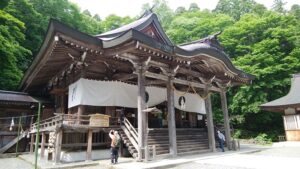 Chusha is located closer to the main village area and is dedicated to a deity associated with wisdom and learning. The shrine features a traditional wooden structure and open grounds, often serving as a starting point for visitors.
Hokosha (Lower Shrine)
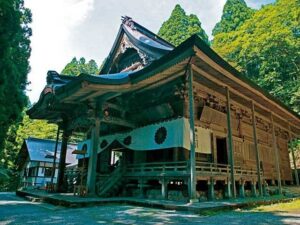 Hokosha sits at a lower elevation and requires climbing a long staircase to reach the main hall. It is dedicated to a deity connected to performing arts and fire protection.
Kuzuryusha and Hinomikosha
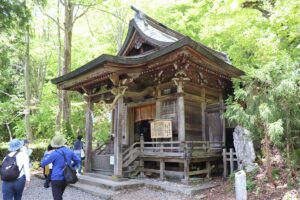 These smaller shrine areas are located near the Okusha path. Kuzuryusha is dedicated to a dragon deity associated with water and rainfall, while Hinomikosha enshrines the deity linked to the mythological cave-opening episode.
Natural Environment and Seasonal Highlights
Cedar Avenue
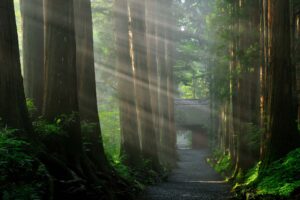
One of the most striking features of Togakushi Shrine is the cedar tree-lined approach to Okusha. The tall, straight trunks create a dramatic corridor that enhances the spiritual atmosphere.
Spring and Summer
Fresh greenery and cool mountain temperatures make spring and summer comfortable seasons for walking the shrine paths. The forest canopy provides natural shade.
Autumn Foliage
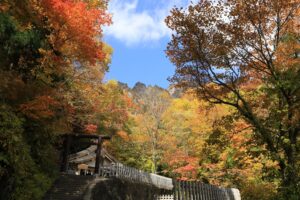
Autumn brings vibrant red, orange, and yellow leaves, attracting photographers and hikers. The contrast between colorful foliage and dark cedar trunks is especially impressive.
Winter Snow
Heavy snowfall transforms the area into a quiet, white landscape. While some paths may be more difficult to access, the snow-covered shrine buildings offer a serene and picturesque view.
Visitor Information and Practical Guidance
Access
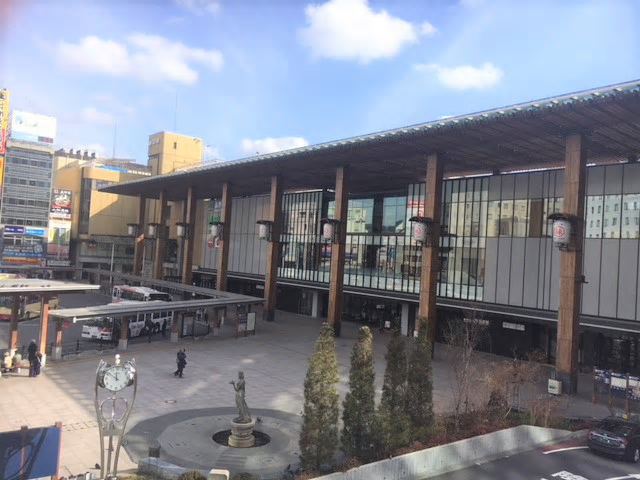
Togakushi Shrine is located about one hour by bus or car from Nagano Station. Public buses operate from Nagano City, though schedules may be limited outside peak seasons.
Recommended Visit Duration
Exploring all five shrine areas can take half a day or longer, depending on walking pace. The hike to Okusha alone typically requires 1.5 to 2 hours round trip.
Clothing and Preparation
-
Wear comfortable walking shoes suitable for uneven forest paths
-
Bring water, especially in summer
-
Dress warmly in cooler months, as mountain temperatures can be lower than in Nagano City
Local Specialties
The Togakushi area is famous for soba noodles made from locally grown buckwheat. Many traditional restaurants near the Chusha area serve handmade soba dishes.
Visitor Etiquette
-
Maintain quiet behavior in shrine areas
-
Follow traditional purification customs at water basins before approaching the main halls
-
Stay on designated paths to protect the natural environment
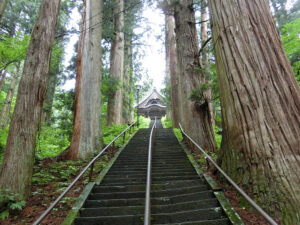
Togakushi Shrine offers foreign visitors a profound experience combining mythology, mountain landscapes, and spiritual tradition. The journey through ancient cedar forests to reach the Upper Shrine, along with the interconnected network of sacred sites, makes Togakushi one of Nagano’s most memorable cultural and natural destinations.
Related articles
Official Website
https://www.go-nagano.net/en/trip-idea/id19814
I also share travel information and Japan travel updates on X.
X (formerly Twitter)
