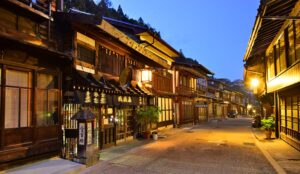
Overview
Narai-juku is one of the best-preserved post towns along the historic Nakasendō, the inland highway that once connected Edo (modern-day Tokyo) and Kyoto during Japan’s Edo period (1603–1868).
Located in the mountainous Kiso Valley of Nagano Prefecture, Narai-juku flourished as a vital rest stop for feudal lords, samurai, merchants, and travelers crossing the rugged central Alps.
Today, it is designated an Important Preservation District for Groups of Traditional Buildings, offering visitors an immersive glimpse into historical Japan.
Historical Background
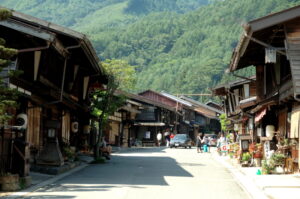
Narai-juku developed as the 34th of 69 post stations on the Nakasendō. Due to its harsh climate and steep mountain passes, the town became known for its length and prosperity, earning the saying:
“Narai of a thousand houses”
Although exaggerated, the phrase reflects how Narai-juku extended nearly one kilometer, making it one of the longest post towns in Japan.
Travelers traditionally stayed here before or after crossing the difficult Torii Pass, relying on Narai-juku for lodging, food, and supplies.
Townscape and Architecture
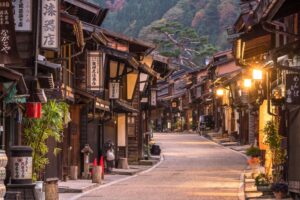
The town’s main street is lined with:
-
Wooden townhouses (machiya)
-
Inns (ryokan) with lattice facades
-
Shops featuring sliding doors and deep eaves
Many buildings date back to the late Edo and early Meiji periods and have been carefully preserved. While some structures function as museums or guesthouses, others remain private residences, creating a living historical town rather than an open-air museum.
Cultural Significance
Narai-juku reflects:
-
The social hierarchy of Edo-period travel
-
The regulated movement of people and goods
-
Traditional craftsmanship and merchant culture
Information boards and restored interiors help visitors understand how travelers lived, worked, and rested during long journeys.
Museums and Notable Sites
Key places to visit include:
-
Former honjin and waki-honjin (official lodgings for high-ranking officials)
-
Small folk museums displaying tools, clothing, and documents
-
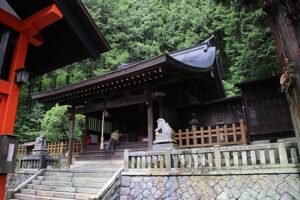
Local shrines and temples connected to travel safety
These sites provide historical context without overwhelming the town’s quiet atmosphere.
Local Crafts and Specialties
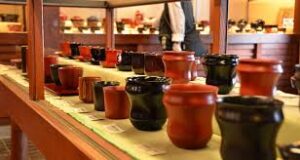
The Kiso region is famous for its high-quality woodcraft.
Popular items include:
-
Lacquerware (Kiso shikki)
-
Hand-carved wooden utensils
-
Traditional combs and household tools
Many shops sell locally made products, continuing traditions that date back centuries.
Local Food and Dining
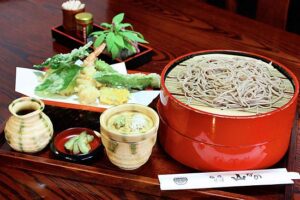
Narai-juku offers regional cuisine suited to mountain travel culture:
-
Handmade soba noodles
-
Gohei-mochi (grilled rice cakes with sweet miso sauce)
-
Pickled mountain vegetables
Several cafes and restaurants operate in restored historic buildings, combining atmosphere with traditional flavors.
Walking Experience
The town is best explored on foot.
Visitors can:
-
Walk the entire length of the old post road
-
Explore side alleys and waterways
-
Sit on benches along the street and observe daily life
The absence of modern signage and heavy traffic enhances the historical experience.
Seasonal Highlights
-
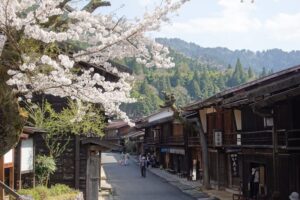
Spring: Fresh greenery and mild temperatures
-
Summer: Cool mountain air, ideal for walking
-
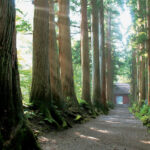
Autumn: Brilliant foliage in the surrounding forests
-
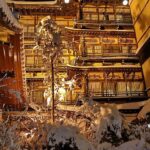
Winter: Snow-covered rooftops creating a quiet, atmospheric scene
Each season offers a distinct visual character.
Access
Narai-juku is easily accessible by train.
From Tokyo
-
Take the JR Chūō Line to Shiojiri Station
-
Transfer to the JR Chūō Main Line toward Nagoya
-
Get off at Narai Station
The station is located directly at the edge of the historic district.
Visitor Etiquette
-
Respect private homes and residents
-
Do not enter buildings unless clearly open to the public
-
Avoid loud behavior, especially early morning and evening
-
Stay on designated paths
Narai-juku is both a heritage site and a living community.
Facilities
-
Tourist information center near the station
-
Restrooms available
-
Limited but well-integrated signage in multiple languages
The area is mostly flat and suitable for most visitors.
Nearby Attractions
-
Torii Pass hiking route
-
Other Kiso Valley post towns such as Magome-juku and Tsumago-juku
-
Scenic mountain trails and forests
Narai-juku works well as part of a multi-day Nakasendō itinerary.
Who Should Visit
-
Travelers interested in Japanese history and architecture
-
Walkers and slow-travel enthusiasts
-
Photographers seeking authentic streetscapes
-
Visitors looking for a calm alternative to major tourist cities
Why Narai-juku Is Unique
Narai-juku stands out for its:
-
Exceptional state of preservation
-
Length and scale compared to other post towns
-
Balance between tourism and everyday life
Unlike reconstructed sites, Narai-juku feels genuinely lived-in and historically grounded.
Conclusion
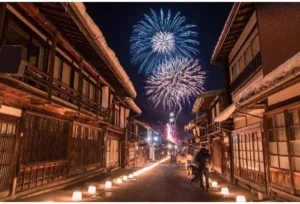
Narai-juku offers international visitors a rare opportunity to experience the atmosphere of Edo-period travel in an authentic mountain setting. Its long wooden streets, traditional houses, and quiet rhythm provide a deep connection to Japan’s past.
For travelers seeking history, craftsmanship, and a slower pace of discovery, Narai-juku is one of the most rewarding destinations along the old Nakasendō route.
Related articles
Official Website
https://www.japan-experience.com/all-about-japan/nagano/attractions-excursions/narai-guide
I also share travel information and Japan travel updates on X.
X (formerly Twitter)
