Overview
Engaku-ji is one of the most important Zen Buddhist temples in Japan, located in Kamakura, Kanagawa Prefecture, approximately one hour south of Tokyo. Founded in 1282 during the Kamakura period, Engaku-ji serves as one of the leading temples of the Rinzai school of Zen Buddhism.
Surrounded by forested hills and situated near Kita-Kamakura Station, the temple complex offers a tranquil atmosphere that contrasts with the busy streets of central Tokyo. For foreign visitors, Engaku-ji provides an opportunity to experience authentic Zen architecture, spiritual traditions, and seasonal natural beauty in a historically significant setting.
Historical Background and Religious Significance
Foundation in the Kamakura Period
Engaku-ji was established by the Hojo clan, the ruling regents of the Kamakura shogunate. It was built to honor Japanese and Mongolian soldiers who died during the Mongol invasions of Japan in the late 13th century. The temple’s founding reflects the strong connection between Zen Buddhism and the samurai class.
Rinzai Zen Tradition
As a major center of the Rinzai school, Engaku-ji emphasizes meditation (zazen), discipline, and direct insight into Buddhist teachings. The temple remains active today, serving as both a place of worship and a training monastery for Zen monks.
Cultural and National Treasures
Several structures and artifacts within the temple grounds are designated Important Cultural Properties of Japan. These include historic buildings, religious statues, and ceremonial objects that reflect centuries of spiritual and artistic heritage.
Architecture and Key Structures
Sanmon (Main Gate)
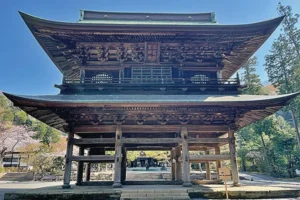
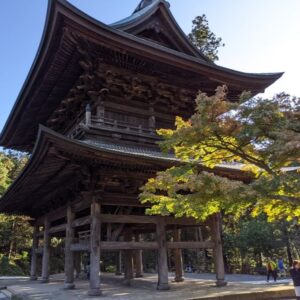
The imposing wooden Sanmon gate is one of the temple’s most striking features. Rebuilt in the 18th century, it is considered one of the largest and most impressive temple gates in the Kamakura region.
Butsuden (Buddha Hall)
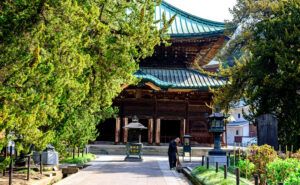
The Butsuden houses a statue of Shakyamuni Buddha. The hall’s simple yet elegant wooden construction reflects Zen architectural principles, emphasizing balance, proportion, and natural materials.
Shariden (Relic Hall)
The Shariden is one of Engaku-ji’s most historically significant buildings and is designated a National Treasure. It enshrines a sacred tooth relic of the Buddha and represents classical Zen architectural style imported from China.
Bell Tower (Ogane)
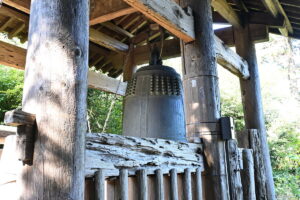
The large temple bell, cast in the 14th century, is also designated an Important Cultural Property. Visitors may see the bell tower situated on a hillside within the temple grounds.
Tea House and Gardens
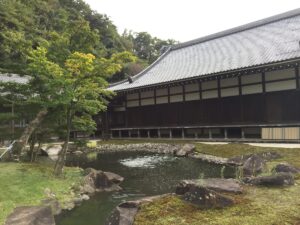
A traditional tea house within the complex offers visitors the opportunity to enjoy matcha green tea while overlooking serene gardens. The landscaped grounds incorporate stone steps, moss, and seasonal flowers, enhancing the contemplative atmosphere.
Natural Scenery and Seasonal Beauty
Spring
Cherry blossoms and fresh greenery surround the temple buildings, creating a peaceful setting ideal for photography and quiet walks.
Summer
Dense foliage provides shade and cool air, while hydrangeas bloom in certain areas of the grounds.
Autumn
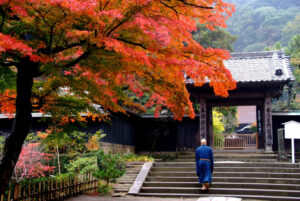
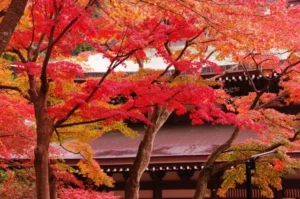
Autumn foliage is one of the highlights of Engaku-ji. Maple trees turn vibrant shades of red and orange, attracting many visitors.
Winter
In winter, the temple becomes especially tranquil. Occasional snowfall adds a dramatic contrast to the dark wooden structures.
Visitor Information and Practical Guidance
Access and Location
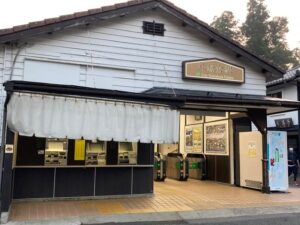
Engaku-ji is conveniently located next to Kita-Kamakura Station on the JR Yokosuka Line. From Tokyo Station, travel time is approximately one hour. The temple entrance is just a short walk from the station.
Recommended Visit Duration
Most visitors spend between 60 and 90 minutes exploring the main halls, climbing the stone paths, and enjoying the gardens. Those interested in meditation or tea experiences may wish to stay longer.
Etiquette and Guidelines
-
Maintain quiet and respectful behavior, as the temple remains an active religious site
-
Photography may be restricted inside certain buildings
-
Remove shoes when entering indoor halls where required
-
Follow posted instructions and staff guidance
Best Time to Visit
Weekday mornings are typically less crowded. Autumn is particularly popular due to foliage, while spring offers pleasant weather and blossoms.
Engaku-ji Temple offers foreign visitors a meaningful introduction to Zen Buddhism within a historically rich environment. Its combination of spiritual heritage, classical architecture, and natural beauty makes it one of Kamakura’s most rewarding cultural destinations.
Related articles

Official Website
https://www.engakuji.or.jp/en/
I also share travel information and Japan travel updates on X.
X (formerly Twitter)
Recommended Travel Services
