Overview
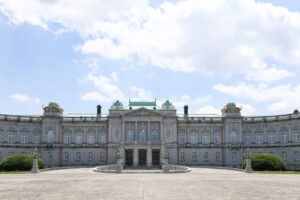
Akasaka Palace (also known as the State Guest House) is one of Japan’s most distinguished government buildings, located in the Akasaka district of Tokyo. It serves as an official venue for receiving foreign heads of state, royalty, and high-ranking diplomats. Unlike most government facilities in Japan, parts of the palace are open to the public when not in official use, allowing visitors to explore its grand interiors and gardens.
Completed in 1909, the building was originally constructed as the Crown Prince’s residence. Today, it functions as Japan’s principal state guest house, hosting international summits, diplomatic meetings, and ceremonial banquets. For foreign visitors, Akasaka Palace offers a rare opportunity to see a European-style palace in the heart of Tokyo, reflecting Japan’s modernization during the early 20th century.
Architecture and Design
Neo-Baroque Western Style
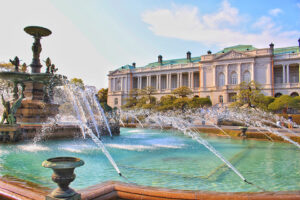 Akasaka Palace is the only major Neo-Baroque palace building in Japan. Designed by architect Katayama Tōkuma, the structure was inspired by European palaces, particularly those in France. Its symmetrical façade, stone exterior, ornate sculptures, and elaborate roofline contrast sharply with traditional Japanese architecture.
The building’s exterior features decorative reliefs, imperial symbols, and sculptural elements that represent both Western artistic influence and Japanese identity.
Grand Interior Spaces
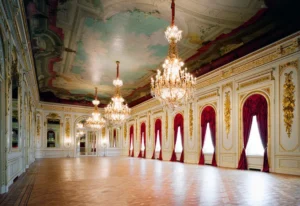 The palace interior is equally impressive, showcasing richly decorated state rooms used for official ceremonies and receptions. Key rooms include:
-
The Reception Hall, used for welcoming foreign dignitaries
-
The Banquet Hall, where formal state dinners are held
-
The Audience Chamber, designed for official meetings
-
The Ballroom, featuring chandeliers, gilded details, and painted ceilings
These rooms are decorated with marble, silk wall coverings, intricate plasterwork, and crystal lighting fixtures. Photography inside is typically restricted, but visitors can closely observe the craftsmanship and grandeur.
Fusion of Western and Japanese Elements
Although strongly European in appearance, the palace incorporates Japanese motifs in its decorative details. Imperial crests and traditional patterns subtly reflect national identity within the Western architectural framework.
Gardens and Exterior Grounds
Formal Front Garden
The front garden features a large fountain, symmetrical landscaping, and wide gravel paths leading to the palace entrance. The formal arrangement enhances the palace’s European aesthetic.
Japanese Garden
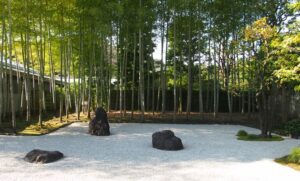
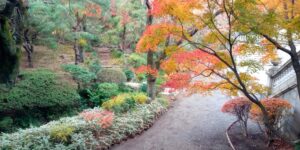
In contrast to the Western-style front garden, a separate Japanese garden offers a quieter atmosphere with traditional landscaping elements such as stone lanterns, ponds, and carefully arranged trees.
Seasonal Scenery
The palace grounds change beautifully with the seasons:
-
Spring: Fresh greenery and blooming flowers
-
Summer: Lush lawns and bright sunlight
-
Autumn: Colorful foliage
-
Winter: Clear skies and crisp architectural views
These seasonal variations make the exterior enjoyable year-round.
Visitor Information and Practical Guidance
Access and Location
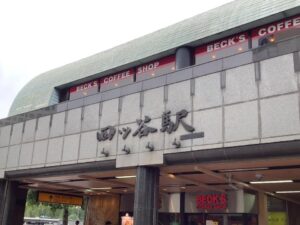 Akasaka Palace is located near Yotsuya Station in central Tokyo and is easily accessible by JR and Tokyo Metro lines. Its central location makes it convenient to combine with other Tokyo sightseeing activities.
Entry and Reservations
When open to the public, visitors can tour designated areas either through guided tours or self-guided routes, depending on the schedule. Advance reservations may be required, especially during peak tourist seasons. Entry is subject to cancellation when official state functions are scheduled.
Recommended Visit Duration
A typical visit lasts between 60 and 90 minutes, including time to explore the interior rooms and walk through the gardens.
Visitor Guidelines
-
Security screening is required before entry
-
Large bags may be restricted
-
Photography is usually prohibited inside the palace
-
Visitors should follow marked routes and staff instructions
Best Time to Visit
Weekdays outside major holidays are generally less crowded. Spring and autumn offer particularly pleasant weather for exploring the gardens.
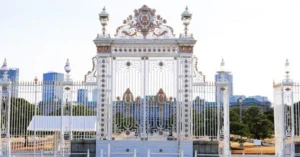 Akasaka Palace stands as a symbol of Japan’s diplomatic presence and architectural diversity. For international visitors, it offers a distinctive experience: a European-style palace functioning within the Japanese imperial and governmental context. Its grand halls, formal gardens, and historical significance make it one of Tokyo’s most unique and prestigious landmarks.
Related articles

Official Website
https://www.geihinkan.go.jp/en/akasaka/
Great Accommodation Site
 is one of Japan’s most distinguished g)