Overview
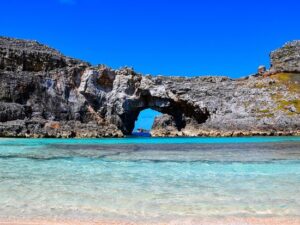
The Ogasawara Islands, also known as the Bonin Islands, are a remote chain of subtropical islands located approximately 1,000 kilometers south of Tokyo in the Pacific Ocean. Despite being administratively part of Tokyo, the islands are geographically isolated and accessible only by ship.
Renowned for their pristine nature, endemic wildlife, crystal-clear waters, and rich maritime history, the Ogasawara Islands are often called “the Galápagos of the Orient.” In 2011, they were designated a UNESCO World Natural Heritage Site, recognizing their exceptional biodiversity.
Geographical and Environmental Significance
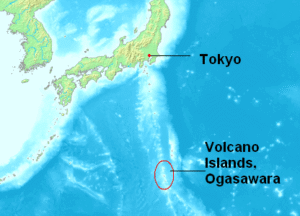
The Ogasawara Islands were never connected to any continent, allowing plants and animals to evolve independently over millions of years. This isolation has resulted in:
-
A high number of endemic species found nowhere else on Earth
-
Unique ecosystems both on land and underwater
-
Exceptional coral reefs and marine biodiversity
The archipelago consists of over 30 islands, though only two are permanently inhabited.
Main Inhabited Islands
Chichijima

Chichijima is the main gateway and administrative center of the Ogasawara Islands.
Key features include:
-
Port facilities and accommodations
-
Restaurants and small shops
-
Tour operators offering marine and nature activities
Chichijima serves as the base for most visitors and provides the widest range of services.
Hahajima
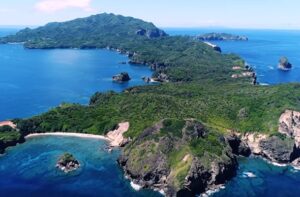
Hahajima is quieter and more rural, offering:
-
Untouched landscapes
-
Scenic hiking trails
-
A slower pace of island life
Hahajima is ideal for travelers seeking deeper immersion in nature and fewer crowds.
UNESCO World Heritage Status
The Ogasawara Islands were inscribed as a UNESCO World Natural Heritage Site due to:
-
Outstanding evolutionary processes
-
Rare and endangered species
-
Well-preserved marine ecosystems
Strict environmental regulations help protect fragile habitats, and visitors are encouraged to follow eco-friendly practices.
Marine Activities
Whale Watching
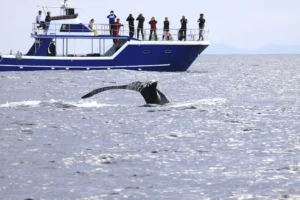
From winter to early spring, the waters around the islands become a breeding ground for humpback whales.
-
Close-up sightings are common
-
Guided tours emphasize conservation
-
One of Japan’s best whale-watching destinations
Dolphin and Sea Turtle Encounters
Year-round opportunities exist to observe:
-
Spinner and bottlenose dolphins
-
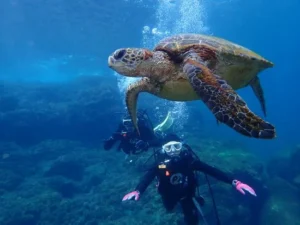
Green sea turtles near coral reefs
Many tours focus on respectful observation rather than interaction.
Snorkeling and Diving

The islands are famous for:
-
Exceptional water clarity
-
Vibrant coral reefs
-
Tropical fish and underwater caves
Diving conditions are suitable for both beginners and experienced divers, with guided tours available.
Land-Based Nature Experiences
Hiking and Trekking

Marked trails lead through:
-
Subtropical forests
-
Coastal cliffs with panoramic views
-
Areas rich in endemic plant species
Some trails require guides to minimize environmental impact.
Wildlife Observation
Visitors may encounter:
-
Endemic birds
-
Unique land snails and insects
-
Rare plant species adapted to island conditions
Nature tours help visitors understand the ecological importance of these species.
Beaches and Coastal Scenery

The islands feature secluded beaches with:
-
White coral sand
-
Turquoise waters
-
Minimal development
Many beaches are accessible only on foot or by boat, preserving their natural beauty.
History and Cultural Background
The Ogasawara Islands have a complex and multicultural history shaped by:
-
Early European and American settlers
-
Japanese migration in the 19th century
-
Strategic importance during World War II
This history has created a distinctive local culture blending Japanese and Western influences, visible in food, language, and architecture.
Local Cuisine
Island cuisine reflects both ocean resources and multicultural roots.
Typical dishes include:
-
Freshly caught fish and seafood
-
Tropical fruits such as passion fruit
-
Unique local recipes influenced by Western settlers
Dining options are limited but emphasize freshness and local flavor.
Access
From Tokyo
The islands are accessible only by ship:
-
Ferry departs from Takeshiba Pier in Tokyo
-
Voyage takes approximately 24 hours
-
Sailings are typically once a week
Advance planning is essential due to limited capacity and weather-dependent schedules.
Accommodation
Options include:
-
Small hotels
-
Guesthouses
-
Eco-lodges
Luxury resorts are not common, reinforcing the islands’ focus on sustainable tourism.
Best Time to Visit
-
Winter to early spring: Whale watching
-
Late spring to summer: Snorkeling and diving
-
Autumn: Mild weather and fewer visitors
Typhoons may affect travel during late summer.
Travel Tips
-
Book transportation and lodging well in advance
-
Bring sufficient cash, as ATMs are limited
-
Respect environmental rules and protected areas
-
Prepare for limited internet and mobile coverage
Who Should Visit
-
Nature lovers and eco-tourists
-
Divers and marine life enthusiasts
-
Travelers seeking remote, off-the-grid destinations
-
Visitors interested in UNESCO World Heritage Sites
Why the Ogasawara Islands Are Unique

Unlike most destinations in Japan, the Ogasawara Islands offer:
-
True remoteness
-
Unspoiled ecosystems
-
A deep sense of exploration
The long journey itself enhances the feeling of arrival, making a visit feel like a true expedition rather than a standard trip.
Conclusion

The Ogasawara Islands represent one of Japan’s last great natural frontiers. With their exceptional biodiversity, crystal-clear waters, and rich cultural history, they offer an experience unlike anywhere else in the country.
For international travelers seeking adventure, ecological discovery, and a rare connection with untouched nature, the Ogasawara Islands are an unforgettable destination at the edge of Japan and the Pacific Ocean.
Related articles



Official Website
https://www.ogasawaramura.com/en/
I also share travel information and Japan travel updates on X.
X (formerly Twitter)
