Overview
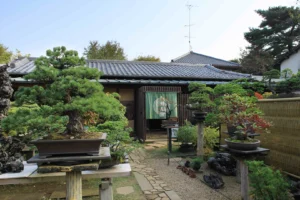
Omiya Bonsai Village is a unique cultural district dedicated entirely to the art of bonsai, located in Saitama City, just north of Tokyo. Established in the early 20th century, it is one of the most important bonsai centers in the world and a pilgrimage site for bonsai enthusiasts, artists, and cultural travelers.
The village is home to several prestigious bonsai gardens, private collections, nurseries, and the Omiya Bonsai Art Museum, making it the best place in Japan to learn about both the aesthetics and philosophy behind bonsai.
Historical Background
Omiya Bonsai Village was founded in 1925 by bonsai masters who relocated from Tokyo after the Great Kanto Earthquake of 1923. Seeking cleaner air, quieter surroundings, and better growing conditions, these artisans settled in Omiya, transforming the area into a living bonsai community.
Over the decades, the village became internationally recognized as:
-
A center of bonsai innovation
-
A training ground for master growers
-
A symbol of Japan’s refined horticultural traditions
Many bonsai cultivated here have been trained for generations and are considered living cultural treasures.
What Is Bonsai? (For First-Time Visitors)
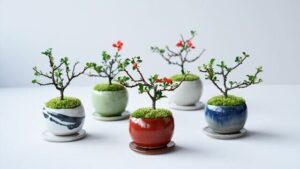
Bonsai is the art of cultivating miniature trees that reflect the beauty, age, and spirit of full-sized trees found in nature. Unlike houseplants, bonsai are shaped over decades through:
-
Pruning
-
Wiring
-
Root control
-
Seasonal care
Omiya Bonsai Village allows visitors to see this process at its highest level.
Major Bonsai Gardens
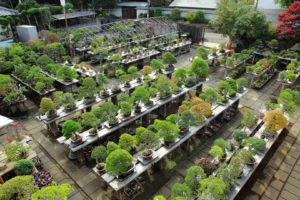
The village contains several world-famous bonsai gardens, each with its own style and specialties. Gardens typically display:
-
Pine, maple, juniper, and cherry bonsai
-
Trees ranging from decades to several hundred years old
-
Carefully curated seasonal arrangements
Some gardens focus on traditional Japanese styles, while others incorporate modern interpretations. Visitors are encouraged to observe quietly and respectfully, as many gardens are working spaces rather than purely tourist attractions.
Omiya Bonsai Art Museum
Overview
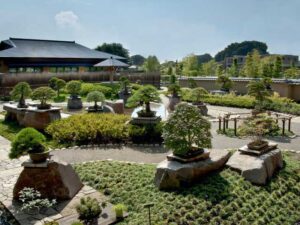
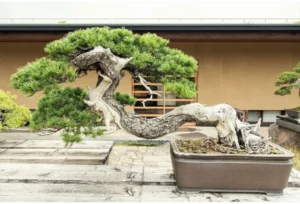
The Omiya Bonsai Art Museum is Japan’s first public museum dedicated entirely to bonsai. It serves as an excellent introduction for visitors unfamiliar with the art form.
Highlights
-
Rotating exhibitions of masterpiece bonsai
-
Detailed explanations of bonsai history, styles, and techniques
-
English-language signage and audio guides
-
A traditional Japanese garden with seasonal displays
The museum bridges the gap between expert knowledge and general appreciation, making it highly accessible to international visitors.
Seasonal Appeal
Spring
-
Cherry and plum bonsai in bloom
-
Fresh foliage and vibrant colors
Summer
-
Lush greenery and refined leaf shapes
-
Shaded paths ideal for slow walking
Autumn
-
Maple bonsai with brilliant red and gold leaves
-
One of the most photogenic seasons
Winter
-
Snow-dusted pine bonsai
-
Emphasis on trunk structure and branch form
Each season highlights different aspects of bonsai beauty, encouraging repeat visits.
Walking the Village
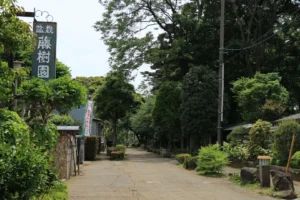
Omiya Bonsai Village is quiet and residential, designed for leisurely exploration. Wide streets and low buildings allow:
-
Natural sunlight for bonsai cultivation
-
Calm, contemplative walking
-
Easy navigation between gardens
Signage and maps are available near stations and the museum.
Cultural Etiquette
When visiting bonsai gardens:
-
Do not touch the trees
-
Speak quietly
-
Follow photography rules (some gardens restrict photos)
-
Respect private property
Bonsai are living artworks, often decades or centuries in the making.
Souvenirs and Shopping
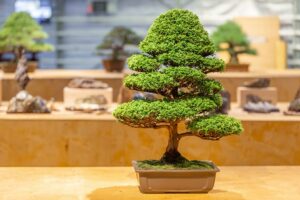
Some gardens and shops sell:
-
Small bonsai trees suitable for beginners
-
Bonsai tools and pots
-
Books and postcards
Purchasing bonsai for overseas travel may involve export restrictions, so smaller items are recommended.
Access
From Tokyo
-
Take a train to Omiya Station
-
Transfer to the Tobu Urban Park Line or New Shuttle
-
Walk approximately 10–15 minutes from Toro Station or Omiya-koen Station
Total travel time is about 40–50 minutes from central Tokyo.
Nearby Attractions
-
Omiya Park
-
Hikawa Shrine
-
Railway Museum (Saitama)
These sites can be easily combined with a visit to the bonsai village.
Who Should Visit
-
Cultural travelers interested in traditional Japanese arts
-
Garden and plant enthusiasts
-
Photographers seeking refined, minimalist beauty
-
Visitors looking for a quiet half-day trip from Tokyo
Why Omiya Bonsai Village Is Special
Unlike museums or exhibitions, Omiya Bonsai Village is a living community where bonsai is not only displayed but actively cultivated. It offers rare insight into:
-
Long-term artistic dedication
-
Japanese concepts of nature and time
-
Craftsmanship passed down through generations
Conclusion
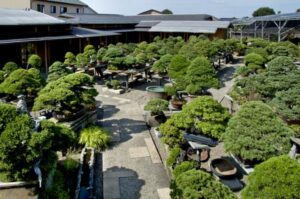
Omiya Bonsai Village is one of Japan’s most distinctive cultural destinations, offering an intimate encounter with an art form that values patience, balance, and harmony with nature. Easily accessible from Tokyo yet worlds away in atmosphere, it provides international visitors with a deep and memorable understanding of Japanese aesthetics.
For travelers seeking a calm, intellectually rich, and visually refined experience, Omiya Bonsai Village is an exceptional destination.
Related articles

Official Website
https://www.stib.jp/saitamacity-visitorsguide/spots/bonsai/
I also share travel information and Japan travel updates on X.
X (formerly Twitter)
Recommended Travel Services
