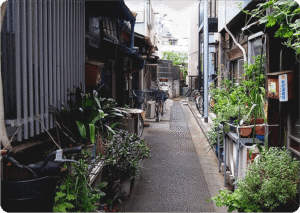
Overview of Kyojima
Kyojima is a traditional neighborhood located in Sumida Ward, Tokyo, offering a rare glimpse into the city’s older urban landscape. Unlike the modern high-rise districts often associated with Tokyo, Kyojima preserves a nostalgic atmosphere with narrow alleys, wooden houses, and small family-run shops.
Situated near major landmarks such as Tokyo Skytree, Kyojima provides a striking contrast between old and new Tokyo. The area is particularly appealing to travelers interested in local culture, everyday life, and quiet exploration away from crowded tourist zones.
For international visitors, Kyojima offers an opportunity to experience a slower, more authentic side of Tokyo that reflects postwar history and community-based living.
Historical Background and Urban Character
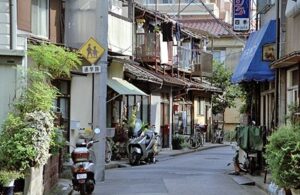
Postwar Development and Community Life
Kyojima developed rapidly after World War II as a residential area for workers and families. Many of the buildings constructed during this period still remain, giving the neighborhood a distinctive retro character.
The layout of narrow streets and closely spaced houses reflects traditional urban planning adapted to limited space.
Preservation of Showa-Era Atmosphere
Walking through Kyojima feels like stepping back into Japan’s Showa period (1926–1989). The area has retained:
- Wooden row houses
- Small workshops and local businesses
- Hand-painted signs and retro storefronts
Unlike reconstructed historical districts, Kyojima remains a living neighborhood where residents continue their daily routines.
Balance Between Old and New
In recent years, some buildings have been renovated into modern cafés, galleries, and creative spaces. These developments coexist with traditional homes, creating a blend of old and contemporary culture.
This balance makes the area especially interesting for visitors who want to see how Tokyo evolves while preserving its past.
Walking Experience and Local Highlights
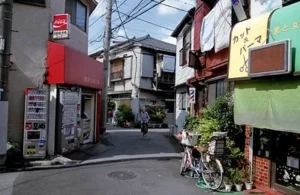
Narrow Alley Exploration
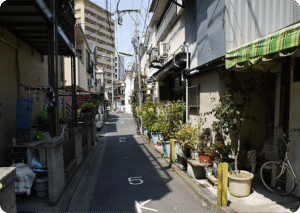
One of the defining features of Kyojima is its maze-like network of narrow alleys. Exploring these small streets reveals hidden corners, local shops, and everyday scenes that are rarely found in more commercial areas.
Visitors are encouraged to walk slowly and observe details such as:
- Potted plants placed outside homes
- Bicycle-lined pathways
- Traditional sliding doors and wooden facades
Local Shops and Art Spaces
Kyojima is home to a variety of small businesses, including:
- Family-run grocery stores
- Artisan workshops
- Independent cafés and galleries
Some renovated spaces host exhibitions or sell handmade goods, reflecting the creativity of the local community.
Views of Tokyo Skytree
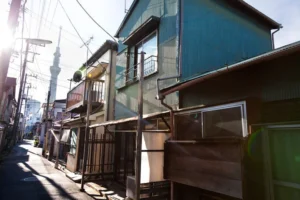
Despite its traditional atmosphere, Kyojima offers occasional views of Tokyo Skytree rising above the rooftops. This contrast between historic streets and modern architecture creates unique photo opportunities.
Cultural Experience and Visitor Interaction
Everyday Tokyo Life
Unlike major tourist attractions, Kyojima provides insight into daily life in Tokyo. Residents go about their routines, and the neighborhood maintains a quiet, lived-in feel.
Visitors can experience:
- Local conversations and street sounds
- Small neighborhood interactions
- A slower pace compared to central Tokyo districts
Respectful Exploration
Because Kyojima is a residential area, respectful behavior is essential. Visitors should:
- Avoid entering private property
- Keep noise levels low
- Ask permission before photographing people or homes
These practices help maintain positive relationships between residents and visitors.
Community-Based Revitalization
Local initiatives have encouraged creative reuse of older buildings, attracting artists and entrepreneurs. This has helped revitalize the area while preserving its character.
Visitors may encounter pop-up events, small exhibitions, or community projects depending on the time of visit.
Practical Information and Travel Tips
Access and Transportation
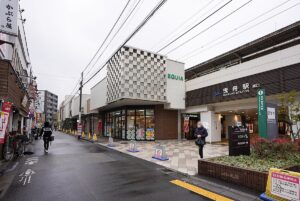
Kyojima is easily accessible from central Tokyo. The nearest stations include Hikifune Station and Keisei Hikifune Station, both within walking distance of the neighborhood.
The area can also be combined with visits to nearby attractions such as Tokyo Skytree and the Sumida riverside.
Best Time to Visit
Daytime visits are recommended for exploring the alleys and shops, as many businesses operate during daylight hours. Early morning and late afternoon offer softer lighting for photography.
Evenings are quieter but may have limited open दुकानदार.
What to Bring and Expect
- Comfortable walking shoes for narrow and uneven streets
- Cash for small local shops
- A camera for capturing unique urban scenes
Visitors should be prepared for minimal English signage compared to major tourist areas.
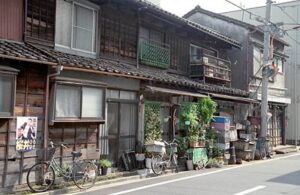
Kyojima offers a rare and authentic perspective on Tokyo’s urban history and community life. Its preserved streets, local businesses, and quiet atmosphere create a meaningful contrast to the city’s modern skyline.
For international travelers seeking a deeper understanding of Tokyo beyond its famous landmarks, Kyojima provides a rewarding and memorable experience rooted in everyday culture and human-scale exploration.
Related articles

Official Website
https://www.pps.org/places/kyojima
I also share travel information and Japan travel updates on X.
X (formerly Twitter)
