Overview
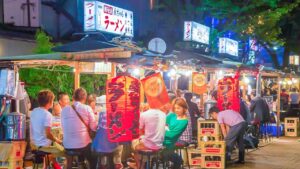
Ramen yatai (open-air food stalls) are one of the most iconic cultural experiences in Fukuoka, the largest city on Japan’s southern island of Kyushu. These small mobile or semi-permanent street stalls appear mainly in the evening, serving freshly prepared ramen and other local dishes in a lively and intimate atmosphere.
Fukuoka is widely regarded as the birthplace of Hakata ramen, a famous regional style known for its rich pork-bone broth and thin noodles. Dining at a yatai allows visitors to enjoy authentic flavors while experiencing a traditional form of Japanese street culture that has largely disappeared in other major cities.
For international travelers, ramen yatai provide an accessible and memorable introduction to local cuisine, nightlife, and social interaction with residents.
History and Cultural Significance of Yatai
Origins After World War II
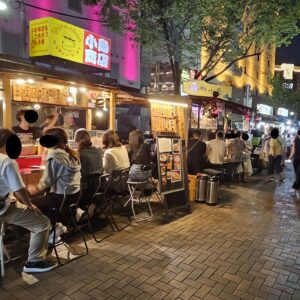
Modern yatai culture in Fukuoka developed in the years following World War II. During this period of economic hardship, street vendors began setting up mobile stalls to serve affordable meals to workers and travelers.
Over time, the stalls became part of the city’s identity. As Japan modernized, strict regulations caused many yatai in other cities to disappear, but Fukuoka maintained the tradition under regulated systems that preserve both safety and authenticity.
Today, the city government licenses a limited number of yatai operators, making the experience relatively unique to this region.
Social Gathering Spaces
Yatai function not only as food outlets but also as informal social hubs. Locals often visit after work to relax, share drinks, and enjoy casual conversation.
The compact seating arrangement encourages interaction between customers. Visitors may find themselves chatting with office workers, students, or travelers from different countries.
This communal atmosphere is a defining feature of the yatai experience.
Symbol of Hakata Identity
In Fukuoka’s Hakata district, yatai are considered cultural symbols representing hospitality, resilience, and everyday urban life. They are frequently featured in tourism promotions and local festivals.
For many Japanese travelers, eating at a yatai is an essential part of visiting Fukuoka.
Signature Foods and Menu Highlights
Hakata Tonkotsu Ramen
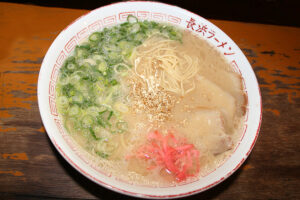
The most famous dish served at Fukuoka yatai is Hakata-style tonkotsu ramen. This variety is known for:
-
A creamy white broth made by simmering pork bones for many hours
-
Thin, straight noodles with a firm texture
-
Toppings such as sliced pork (chashu), green onions, pickled ginger, and sesame
Many stalls offer the option of “kaedama,” which allows customers to order an extra serving of noodles to add to the remaining broth.
Grilled and Side Dishes
In addition to ramen, yatai menus often include:
-
Yakitori (grilled chicken skewers)
-
Oden (simmered ingredients in light broth)
-
Gyoza dumplings
-
Seasonal seafood dishes
The variety allows visitors to create a small multi-dish meal while enjoying drinks.
Drinks and Late-Night Dining
Beer, highballs, and local shochu are commonly available. Yatai typically remain open until late at night, making them popular after bars or evening sightseeing.
Because seating capacity is limited, turnover tends to be quick, but the relaxed environment encourages guests to enjoy their time.
Famous Yatai Areas in Fukuoka
Nakasu Yatai Street
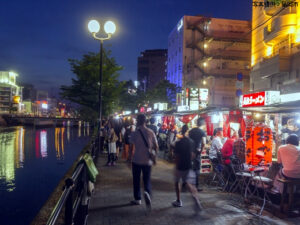
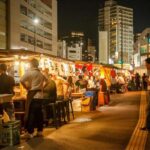
Nakasu Yatai Street is one of the most famous concentrations of food stalls in the city. Located along the river near the entertainment district of Nakasu, the area offers a vibrant nighttime atmosphere with illuminated signs reflecting on the water.
Visitors can stroll along the riverside, compare menus, and choose a stall that suits their preferences.
Tenjin Yatai Area
The Tenjin Yatai Area is another popular location, situated in Fukuoka’s main shopping and business district. Stalls here are easily accessible from major train and subway stations.
This area tends to attract both local office workers and tourists, creating a lively yet approachable environment.
Local Neighborhood Stalls
Smaller clusters of yatai can also be found in quieter neighborhoods. These locations often provide a more intimate and less crowded dining experience, though English menus may be less common.
Exploring beyond the main tourist zones can reveal hidden culinary gems.
Practical Information and Visitor Tips
Seating and Waiting
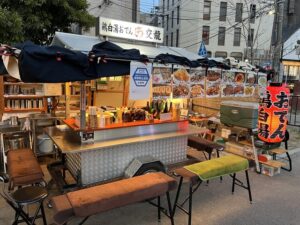
Most yatai have seating for only 6 to 10 customers at a time. During peak hours, especially weekends, visitors may need to wait in line.
It is considered polite to finish eating and give up seats once you are done, allowing others to enjoy the experience.
Ordering and Payment
Menus are often simple and handwritten. Some stalls display plastic food samples or photos, which can help non-Japanese speakers.
Cash is typically required, as small vendors may not accept credit cards or digital payments.
Weather and Seasonal Factors
Yatai operate outdoors, so weather conditions can affect comfort levels. In winter, heaters and plastic covers may be used to block wind. In summer, the atmosphere can be warm and humid.
Checking seasonal conditions and dressing appropriately will enhance the experience.
Combining with Night Sightseeing
Many travelers combine a yatai dinner with visits to nearby attractions such as riverfront promenades, nightlife districts, or illuminated city views.
Because the stalls open mainly in the evening, they are ideal for concluding a day of sightseeing in Fukuoka.
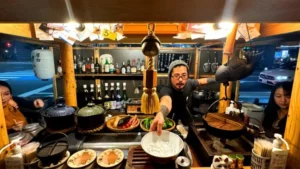 Ramen yatai in Fukuoka represent a living tradition that blends food, community, and urban culture. The experience of sitting shoulder to shoulder with locals while enjoying steaming bowls of Hakata ramen creates a strong sense of connection and authenticity.
For international visitors seeking a memorable culinary adventure and a deeper understanding of everyday Japanese nightlife, exploring Fukuoka’s ramen yatai is an essential and rewarding activity.
Related articles

Official Website
I also share travel information and Japan travel updates on X.
X (formerly Twitter)
 are one of the most iconic cultural experiences in Fukuo)