Overview
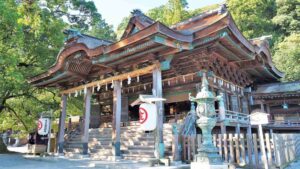
Kotohira-gu, commonly known as Konpira Shrine, is one of Japan’s most important and historically significant Shinto shrines. Located on the slopes of Mount Zōzu in Kotohira Town, Kagawa Prefecture on the island of Shikoku, the shrine is dedicated to the deity of seafaring, maritime safety, and prosperity.
For centuries, Kotohira-gu has been a major pilgrimage destination, attracting sailors, merchants, and travelers who prayed for safe journeys and successful ventures. Today, it continues to draw visitors from across Japan and around the world, not only for its spiritual significance but also for its challenging stone stairway, scenic views, and cultural atmosphere.
Pilgrimage Route and Stone Stairways
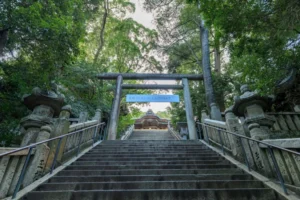
The Famous 785 Steps
One of the defining features of Kotohira-gu is the long approach consisting of 785 stone steps leading from the base to the main shrine (Hongu). This ascent is both a physical journey and a symbolic act of devotion.
The climb passes through a lively street lined with shops, rest areas, and historical buildings, allowing visitors to experience the gradual transition from town to sacred mountain space.
Extended Ascent to Inner Shrine
For those seeking a deeper pilgrimage experience, an additional climb of over 500 steps leads to the inner shrine (Okusha), bringing the total to 1,368 steps.
This upper section is quieter and less crowded, offering a more meditative atmosphere and expansive views of the surrounding landscape.
Rest Stops and Cultural Landmarks
Along the route, visitors will find:
- Traditional teahouses and souvenir shops
- Historic gates and lanterns
- Small shrines and statues
These features make the ascent manageable and culturally enriching.
History and Religious Significance
Guardian of Seafarers
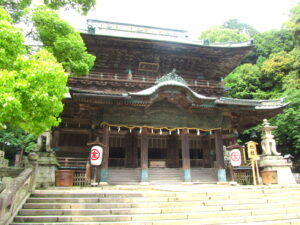
Kotohira-gu has long been associated with maritime safety. Sailors and ship owners historically made pilgrimages to pray for protection at sea.
Even today, maritime industries and travelers continue to show devotion, reflecting the shrine’s enduring importance.
Syncretic Origins
The shrine’s origins combine elements of Shinto and Buddhism, a common feature in pre-modern Japan. Although officially a Shinto shrine today, traces of its syncretic past remain visible in its architecture and rituals.
This layered history adds depth to the visitor experience.
Cultural Influence
Kotohira-gu has influenced literature, art, and travel culture in Japan. Pilgrimages to the shrine were once considered major journeys, comparable to visiting famous temples in Kyoto or Nara.
Its reputation as a place of spiritual merit continues to attract visitors seeking both cultural insight and personal reflection.
Architecture, Views, and Visitor Experience
Main Shrine (Hongu)
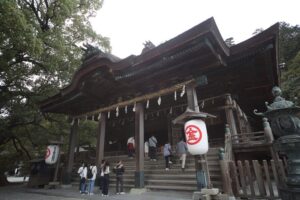
The main shrine is an elegant wooden structure built in traditional style, featuring detailed carvings, sweeping roofs, and a commanding position on the mountainside.
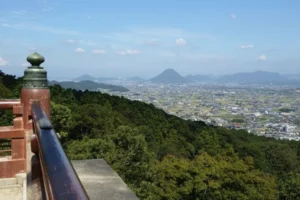
From this point, visitors can enjoy panoramic views over the town of Kotohira and the surrounding plains of Kagawa Prefecture.
Inner Shrine (Okusha)
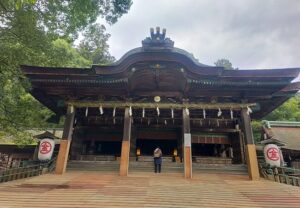
The inner shrine, located further up the mountain, offers a quieter and more secluded environment. The journey to reach it is more demanding, but the reward includes a deeper sense of accomplishment and connection to the landscape.
Scenic Views and Photography
The elevation of the shrine provides excellent viewpoints for photography. Popular moments include:
- Morning light illuminating the valley
- Clear daytime views of distant mountains
- Seasonal changes in surrounding vegetation
Autumn foliage and spring greenery are particularly attractive.
Practical Information and Travel Tips

Access and Transportation
Kotohira-gu is accessible via train to Kotohira Station, followed by a short walk to the base of the shrine approach. The town is well connected to major cities in Shikoku and can also be reached from Okayama via rail.
The approach begins in a lively commercial area that gradually transitions into the sacred path.
Best Time to Visit
Early morning visits are recommended to avoid crowds and heat, especially during summer. Spring and autumn offer the most comfortable weather conditions.
Festivals and special events may increase visitor numbers but also provide unique cultural experiences.
Preparation and Etiquette
- Wear comfortable shoes suitable for climbing stairs
- Bring water, especially in warmer months
- Maintain respectful behavior within shrine grounds
- Follow local customs when offering prayers
Visitors should be prepared for a physically demanding but rewarding experience.
Kotohira-gu (Konpira Shrine) offers a powerful combination of spiritual tradition, historical depth, and physical challenge. The long stone stairway, scenic mountain setting, and cultural significance create a memorable journey that goes beyond typical sightseeing.
For international travelers seeking a deeper connection to Japanese religious practices and pilgrimage culture, Kotohira-gu provides an enriching and meaningful experience in the heart of Shikoku.
Related Articles


Great Accommodation Site
