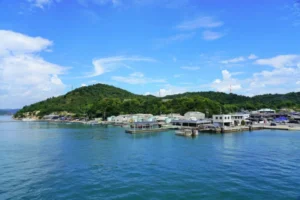
Naoshima, located in the tranquil Seto Inland Sea and part of Kagawa Prefecture, is globally known as Japan’s leading “art island.” It has gained international recognition for its harmonious blend of contemporary art, world-class architecture, and traditional island landscapes. Throughout the island, museums, installations, and outdoor artworks create an environment where culture and nature coexist seamlessly.
Overview
Naoshima is a small island with a population of less than 3,500, yet it attracts visitors from across the world thanks to the long-term cultural project called Benesse Art Site Naoshima. This initiative, developed by the Fukutake Foundation and Benesse Holdings, has transformed the island into a living museum while preserving its natural beauty and local lifestyle. Modern art institutions designed by renowned architect Tadao Ando stand alongside traditional fishing villages, offering a unique cultural experience.
Major Attractions
Chichu Art Museum
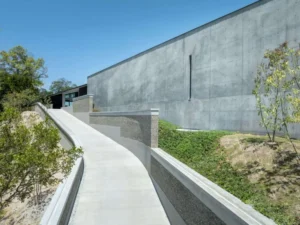
Built mostly underground to preserve the natural landscape, the Chichu Art Museum showcases significant works by Claude Monet, James Turrell, and Walter De Maria. Sunlight is the museum’s core element, with the illumination in each room changing based on the time of day and season. The architecture itself is considered one of Ando’s finest achievements.
Benesse House Museum and Hotel
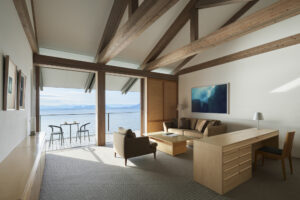
This complex combines an art museum with accommodation, allowing guests to stay among contemporary artworks. Exhibits extend beyond galleries into guest rooms, hallways, and outdoor spaces, providing a 24-hour art environment that is entirely unique to Naoshima.
Art House Project (Honmura District)
In this project, old private homes, workshops, and shrines have been renovated into contemporary art installations. Each site has a completely different theme and artistic concept. Notable locations include:
-
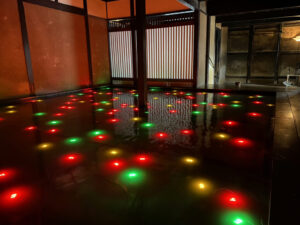
Kadoya with an LED installation floating over water
-
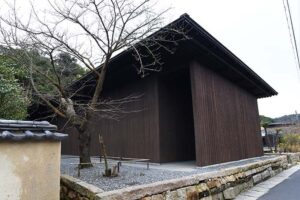
Minamidera, designed by Tadao Ando and featuring a James Turrell light installation
-
Haisha, a former dentist’s house reimagined into a vibrant, unconventional artwork

This district is ideal for walking and discovering art integrated into everyday village structures.
Lee Ufan Museum
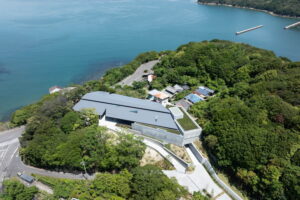
A collaboration between artist Lee Ufan and Tadao Ando, this museum emphasizes simplicity, silence, and spaciousness. It explores the relationship between objects, emptiness, and the surrounding natural environment.
Outdoor Art Installations
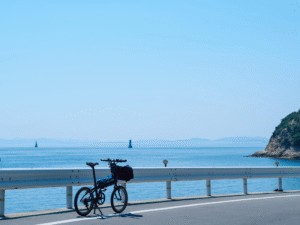
Numerous sculptures and installations are placed along the coastline and hills of the island, creating an open-air art experience as visitors walk or cycle between attractions.
Nature and Scenic Beauty
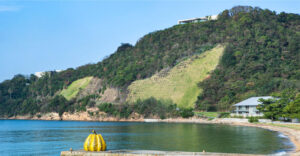
Beyond its reputation for art, Naoshima is also valued for its serene natural environment.
The island features:
-
Peaceful beaches with calm, clear waters
-
Walking trails with views of the Seto Inland Sea
-
Gentle hills ideal for cycling
-
Quiet fishing communities that preserve traditional island life
Sunsets from the western coast are particularly impressive, with the silhouettes of neighboring islands adding dramatic scenery.
Local Culture and Island Life
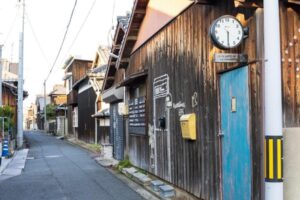
While Naoshima is internationally known, it retains its traditional, small-island charm. Visitors can stroll through narrow lanes, see fishermen preparing their boats, and enjoy small, locally run cafés and guesthouses. The balance between global art culture and everyday life is a defining feature of the island’s appeal.
Transportation on the Island
Naoshima is compact and easy to navigate. Most visitors use:
-
Bicycles or electric bicycles
-
Local buses connecting major attractions
-
Walking, especially in the Honmura area
Rental bicycles are available near Miyanoura Port.
Access
Naoshima is reachable only by ferry. The two main access points are:
-
Uno Port (Okayama Prefecture)
The most frequent and convenient route. Ferries run to both Miyanoura Port and Honmura Port on Naoshima. -
Takamatsu Port (Kagawa Prefecture)
Direct ferries to Miyanoura Port are available.
Travel time ranges from 20 to 50 minutes depending on the route.
Best Time to Visit
Spring and autumn provide the most comfortable weather. Summer offers vibrant scenery but can be hot, while winter is quieter with fewer crowds.
Why Naoshima Is Special
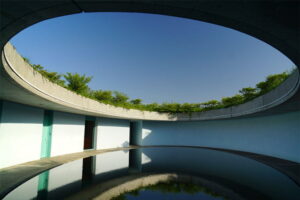
Naoshima offers a rare environment where world-class art, cutting-edge architecture, and traditional island life exist in perfect harmony. Whether exploring underground museums, wandering through art-filled villages, or relaxing on quiet beaches, visitors can experience a unique cultural landscape found nowhere else in Japan.
Related Articles

Official Website
https://benesse-artsite.jp/en/
I also share travel information and Japan travel updates on X.
X (formerly Twitter)
Recommended Travel Services
