Overview
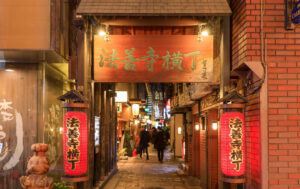
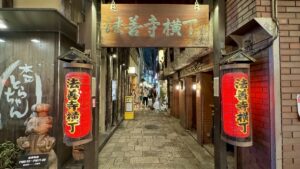
Hōzenji Yokocho is a narrow stone-paved alley located in the heart of Namba, Osaka. Tucked just steps away from Osaka’s brightest entertainment streets, this quiet lane offers a striking contrast: a refined, nostalgic atmosphere reminiscent of prewar Japan.
Centered around the historic Hōzen-ji Temple, Hōzenji Yokocho is known for its traditional restaurants, moss-covered stonework, and intimate dining spaces that showcase Osaka’s understated elegance.
Historical Background
Hōzenji Yokocho developed alongside Hōzen-ji Temple, which was founded in the early Edo period in the 17th century. The area served as a cultural and social retreat for merchants, artists, and writers who lived and worked in Osaka, historically known as Japan’s “kitchen” due to its role as a commercial hub.
Although much of the surrounding city was rebuilt after World War II, Hōzenji Yokocho was carefully restored to preserve its traditional appearance, maintaining the narrow scale and subdued aesthetic that defines the area today.
Hōzen-ji Temple and Mizukake Fudō
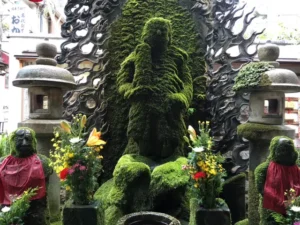
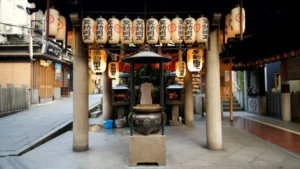
At the heart of the alley stands Hōzen-ji Temple, a small but deeply atmospheric Buddhist temple dedicated to Fudō Myōō.
The temple is especially famous for its Mizukake Fudō statue.
Visitors customarily:
-
Scoop water and pour it over the statue
-
Make a silent wish or prayer
Over centuries, this practice has covered the statue in a thick layer of green moss, creating one of Osaka’s most distinctive sacred images. The ritual reflects everyday, approachable spirituality rather than formal ceremony.
Townscape and Atmosphere
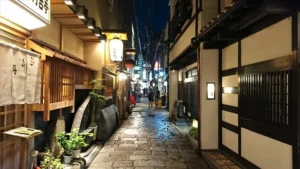
Hōzenji Yokocho is characterized by:
-
Narrow stone pathways
-
Earthen walls and wooden façades
-
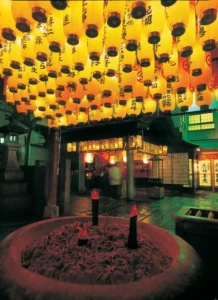
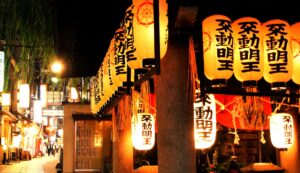
Soft lantern lighting after sunset
-
Moss-covered surfaces that change color with the weather
The alley is deliberately compact, encouraging slow walking and quiet observation. Even during busy evenings, the atmosphere remains calm and intimate.
Dining and Culinary Culture

The alley is home to a collection of small, high-quality restaurants and bars, many of which have only a handful of seats.
Dining options include:
-
Traditional Kappō restaurants
-
Osaka-style Kushikatsu served in refined settings
-
Intimate sushi counters
-
Classic bars and wine lounges
Many establishments emphasize seasonal ingredients and personal interaction between chef and guest, making reservations recommended in the evening.
Notable Spots
-
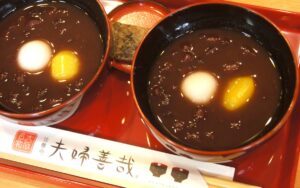
Meoto Zenzai (夫婦善哉): A long-standing sweets shop famous for its warm sweet red bean soup (zenzai). The name means “Happily Married Zenzai” and is said to bring good luck to couples.
Cultural Significance
Hōzenji Yokocho represents a quieter side of Osaka culture:
-
Appreciation for subtle beauty
-
Respect for craftsmanship and tradition
-
Balance between commerce and spirituality
It demonstrates how traditional spaces continue to exist within modern urban life without becoming purely touristic or theatrical.
Walking Experience
Exploring Hōzenji Yokocho is brief but memorable.
Visitors can:
-
Walk the entire alley in a few minutes
-
Visit the temple for reflection
-
Stop for dinner or a drink
-
Photograph the stone path and lantern-lit scenery
Even short visits provide a strong sense of place, especially when combined with nearby Namba attractions.
Seasonal and Time-Based Highlights
-
Daytime: Quiet and contemplative, ideal for photography
-
Evening: Lanterns illuminate the alley, creating a cinematic atmosphere
-
Rainy days: Wet stone and moss deepen colors and enhance mood
The alley feels different depending on light and weather, rewarding repeat visits.
Access
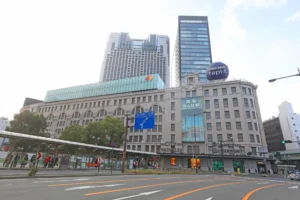
Hōzenji Yokocho is extremely convenient.
Nearest stations include:
-
Namba Station (multiple subway and private railway lines)
From the station, the alley is reachable within a short walk, despite feeling far removed from the surrounding crowds.
Visitor Etiquette
-
Keep voices low, especially near the temple
-
Follow photography guidelines inside temple grounds
-
Do not block restaurant entrances
-
Respect the privacy of diners and staff
The area is both a religious site and a working dining district.
Facilities
-
Public restrooms nearby
-
Numerous cafés and shops in surrounding streets
-
English-friendly menus in some restaurants
The alley itself remains intentionally free of modern signage.
Nearby Attractions
-
Dōtonbori entertainment district
-
Shinsaibashi shopping arcade
-
National Bunraku Theatre
-
Kuromon Market
Hōzenji Yokocho pairs well with broader exploration of central Osaka.
Who Should Visit
-
Travelers seeking traditional atmosphere in urban Japan
-
Visitors interested in intimate dining experiences
-
Photographers drawn to historic streetscapes
-
Those wanting a quiet pause from Osaka’s energetic nightlife
Why Hōzenji Yokocho Is Unique
Hōzenji Yokocho stands out for its:
-
Sudden transition from neon-lit streets to serene tradition
-
Strong connection between spirituality and daily life
-
Preservation of scale and mood rather than grand architecture
It offers depth through restraint.
Conclusion
Hōzenji Yokocho provides international visitors with a rare glimpse of Osaka’s refined, contemplative side. Within a short stone alley, centuries of faith, craftsmanship, and culinary culture quietly coexist.
For travelers who wish to understand Osaka beyond its lively reputation, Hōzenji Yokocho is a small but deeply memorable destination that reveals the city’s subtle elegance.
Related articles

Official Website
https://osaka-info.jp/spot/hozenji-yokocho/
I also share travel information and Japan travel updates on X.
X (formerly Twitter)
