Overview
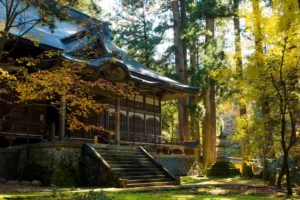
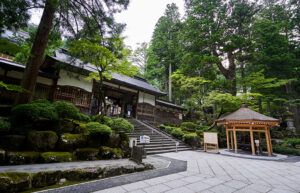
Eiheiji Temple is one of the two head temples of Sōtō Zen Buddhism in Japan and one of the country’s most important and authentic Zen training monasteries. It is located in the forested mountains of Fukui Prefecture, surrounded by towering cedar trees, streams, and mist-covered slopes.
Founded in the 13th century, Eiheiji is not a museum-style temple but a living monastery where hundreds of monks continue rigorous daily training. Visitors are welcome, but the atmosphere remains deeply spiritual, disciplined, and contemplative.
Historical Background
Founder: Dōgen Zenji
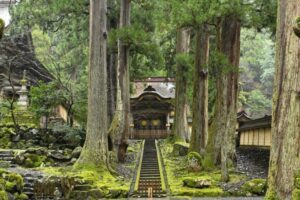
Eiheiji was founded in 1244 by Dōgen, one of Japan’s most influential Buddhist philosophers and the founder of Sōtō Zen Buddhism.
After studying Buddhism in China, Dōgen introduced a form of Zen that emphasized:
-
Zazen (seated meditation) as both practice and enlightenment
-
Simplicity and discipline in daily life
-
The idea that enlightenment is found in everyday actions
Eiheiji was established as an ideal environment for pure Zen training, far removed from political centers.
Religious Significance
As a head temple of Sōtō Zen, Eiheiji:
-
Serves as a primary training center for Zen monks
-
Sets doctrinal and ritual standards for thousands of affiliated temples
-
Represents the spiritual heart of Japanese Zen practice
For practitioners, Eiheiji is a sacred place of lifelong discipline rather than a destination for casual sightseeing.
Temple Layout and Architecture
Eiheiji is a large complex consisting of more than 70 buildings, connected by covered wooden corridors to protect monks from rain and snow.
Key Structures
-
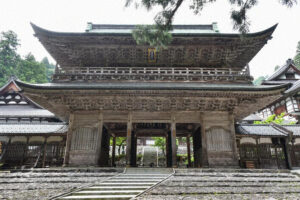
Sanmon Gate: The formal entrance symbolizing the separation from the secular world
-
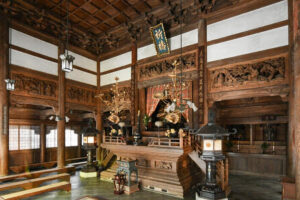
Butsuden (Buddha Hall): Enshrines Buddhist images used for ceremonies
-
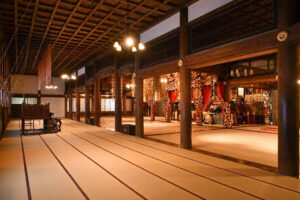
Hatto (Dharma Hall): The main hall for lectures and important rituals
-
Sōdō (Monks’ Hall): Where monks meditate, eat, and sleep
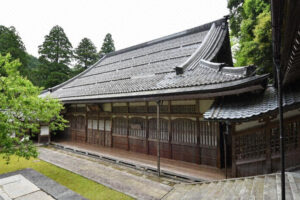
The layout reflects Zen principles of order, harmony, and mindfulness.
Zen Daily Life at Eiheiji
Eiheiji remains a fully functioning monastery with monks following a strict daily schedule.
Monastic life includes:
-
Early morning meditation
-
Chanting and ceremonial services
-
Manual labor such as cleaning and cooking
-
Formal meals eaten in silence
Visitors may observe monks moving quietly through corridors, emphasizing mindfulness in every action.
Zazen (Seated Meditation) Experience
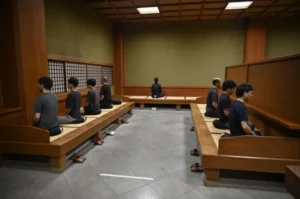
Visitors can participate in guided zazen sessions, usually offered at set times.
The experience includes:
-
Instruction on posture and breathing
-
Silent meditation in a traditional hall
-
An opportunity to experience Zen practice firsthand
This is one of the most meaningful ways for international visitors to understand Zen beyond visual appreciation.
Nature and Seasonal Beauty
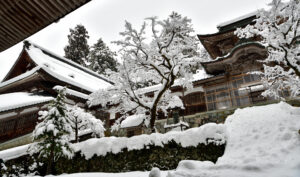
Eiheiji’s mountain setting plays an essential role in its spiritual atmosphere.
Spring
-
Fresh green leaves and flowing streams
-
A sense of renewal and quiet energy
Summer
-
Cool mountain air
-
Deep green forests offering shade and calm
Autumn
-
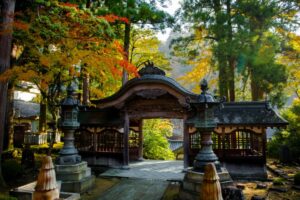
Brilliant red and gold foliage
-
One of the most visually striking seasons
Winter
-
Heavy snowfall transforming the temple into a monochrome landscape
-
Particularly serene and contemplative
Each season enhances the experience differently, reinforcing Zen ideas of impermanence.
Cultural Etiquette for Visitors
Because Eiheiji is an active monastery, proper conduct is essential.
Visitors should:
-
Speak quietly
-
Walk slowly and mindfully
-
Follow designated routes
-
Avoid blocking monks or ceremonies
-
Dress modestly
Photography may be restricted in certain areas.
Access
From Tokyo
-
Take the Hokuriku Shinkansen to Fukui Station (about 3 hours)
-
Transfer to a bus bound for Eiheiji (about 30 minutes)
From Kanazawa
-
Train to Fukui Station, then bus to Eiheiji
-
Total travel time: approximately 1.5 hours
Bus schedules are coordinated with train arrivals.
Admission and Facilities
-
Admission fee required
-
English brochures and signage available
-
Slippers are provided for indoor areas
-
Limited dining options nearby
The surrounding area is quiet, with few commercial facilities.
Nearby Attractions
-
Zen-related temples in Fukui
-
Traditional towns and rural landscapes
-
Fukui Prefectural Dinosaur Museum (for extended trips)
Eiheiji is best visited as a focused cultural experience rather than part of a rushed itinerary.
Who Should Visit
-
Travelers interested in Zen Buddhism
-
Visitors seeking spiritual or contemplative experiences
-
Architecture and philosophy enthusiasts
-
Those wishing to experience living religious traditions
Why Eiheiji Temple Is Unique
Unlike many famous temples, Eiheiji is not centered on tourism. Its authenticity lies in:
-
Continuous monastic practice for nearly 800 years
-
Minimal commercialization
-
Deep integration of architecture, nature, and discipline
It offers a rare opportunity to witness Zen as a lived practice rather than a concept.
Conclusion
Eiheiji Temple is one of Japan’s most profound spiritual destinations. Its quiet halls, disciplined monastic life, and mountain setting create an atmosphere that encourages reflection and mindfulness.
For international visitors seeking to understand the essence of Zen Buddhism and experience a living religious tradition, Eiheiji offers an experience that is both humbling and deeply memorable.
Related articles


I also share travel information and Japan travel updates on X.
X (formerly Twitter)
