Overview
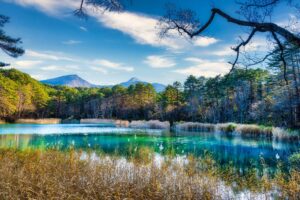
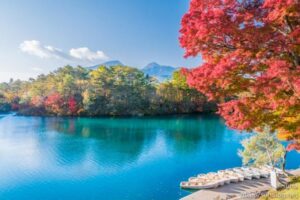
Goshikinuma Ponds is a group of vividly colored volcanic ponds located in Urabandai, Fukushima Prefecture, northeastern Japan. The name “Goshikinuma” means “Five-Colored Ponds,” reflecting the remarkable range of colors seen in the water—blue, emerald green, turquoise, and even reddish hues—depending on mineral content, light conditions, and weather.
The ponds were formed after the 1888 eruption of Mount Bandai, which dramatically reshaped the landscape. Today, Goshikinuma is one of the most scenic and accessible nature attractions in the Tohoku region.
Geological Background
The 1888 Mount Bandai Eruption
In July 1888, a massive phreatic (steam-driven) eruption caused part of Mount Bandai to collapse. The eruption:
-
Destroyed villages
-
Redirected rivers
-
Created numerous lakes and ponds
Minerals released from volcanic debris dissolved into the water, producing the ponds’ distinctive colors. This geological history is key to understanding why each pond looks different.
The Goshikinuma Nature Trail
Trail Overview
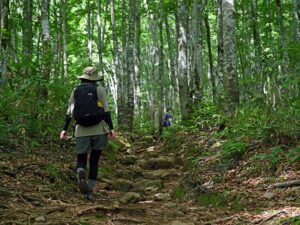
The Goshikinuma Nature Trail is a well-maintained hiking path that connects the main ponds.
-
Length: approximately 3.6 kilometers
-
Walking time: about 60–90 minutes at a relaxed pace
-
Difficulty: easy to moderate
-
Surface: mostly flat with gravel paths and wooden boardwalks
The trail is suitable for most visitors, including families and casual hikers.
Major Ponds Along the Trail
Bishamon-numa
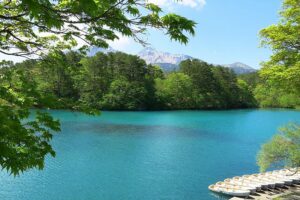
The largest and most famous pond in the area. Its deep cobalt-blue water changes color depending on sunlight and season. Rowboats are available, offering a rare chance to view the pond from the water.
Aonuma
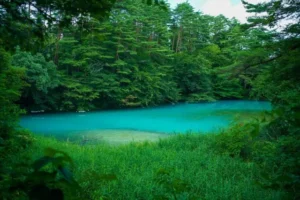
A striking bright-blue pond known for its clarity. Swimming and fishing are prohibited to protect the fragile ecosystem.
Rurinuma
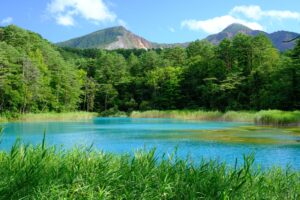
Named for its lapis lazuli-like color, this pond is especially beautiful on clear days.
Benten-numa
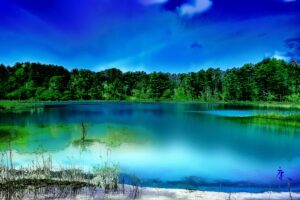
One of the first ponds encountered on the trail, featuring softer green tones and surrounding forest reflections.
Each pond has unique chemical characteristics, resulting in different colors even when located only meters apart.
Seasonal Highlights
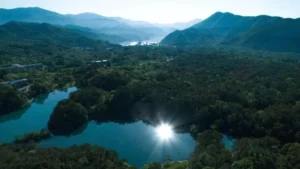
Spring
Fresh greenery emerges, and the contrast between new leaves and colored water is especially vivid. Snow may still remain in shaded areas.
Summer
The most popular season. Trees are fully green, and reflections on the water are at their strongest. Temperatures are cooler than in nearby cities.
Autumn
One of the best times to visit. Red, orange, and yellow foliage surrounds the ponds, creating dramatic color contrasts.
Winter
The trail is usually closed due to heavy snow, but nearby viewpoints and snow-covered scenery are visible from limited-access areas.
Flora and Fauna
The surrounding forests are home to:
-
Beech and oak trees
-
Seasonal wildflowers
-
Birds and small mammals
The ponds themselves are protected environments; visitors are asked not to disturb wildlife or throw objects into the water.
Photography Tips
-
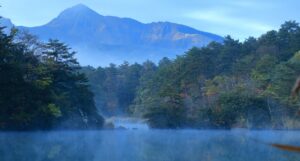
Morning light offers calmer reflections
-
Overcast days enhance blue and green tones
-
Polarizing filters can reduce glare
-
Tripods are useful but should not block pathways
Photography is allowed, but drones are prohibited.
Access and Transportation
Getting There
Goshikinuma is accessible via:
-
Train to Inawashiro Station
-
Bus from the station to Urabandai
-
Car travel via scenic mountain roads
The trail has access points at both ends, allowing flexible route planning.
Facilities and Amenities
-
Parking areas near trail entrances
-
Restrooms at main access points
-
Cafes and souvenir shops nearby
-
Information boards with English explanations
Facilities within the trail itself are limited, so plan ahead.
Visitor Etiquette and Safety
-
Stay on designated paths
-
Do not swim or fish in the ponds
-
Carry water and comfortable walking shoes
-
Weather can change quickly; bring layers
-
Bear bells may be recommended during certain seasons
Nearby Attractions
-
Lake Hibara
-
Mount Bandai hiking routes
-
Winter ski resorts
-
Onsen towns in the Bandai area
Many visitors combine Goshikinuma with other Urabandai sightseeing spots.
Best Time to Visit
-
Late May to June: Fresh greenery and mild weather
-
July to September: Full access and vivid colors
-
October: Peak autumn foliage
Weekday mornings are ideal for avoiding crowds.
Why You Should Visit Goshikinuma Ponds
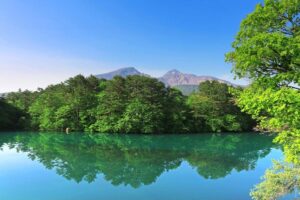
Goshikinuma Ponds offer one of Japan’s most visually unique natural landscapes. The combination of volcanic geology, forested trails, and constantly changing water colors creates an experience unlike anywhere else in the country.
For international travelers seeking accessible nature, striking photography opportunities, and insight into Japan’s volcanic history, Goshikinuma Ponds stand out as a must-visit destination in northeastern Japan.
Related articles
Official Website
https://fukushima.travel/destination/goshiki-numa-ponds/13
I also share travel information and Japan travel updates on Instagram.
Instagram
