Overview
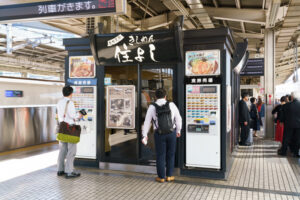
Kishimen Sumiyoshi is a well-known noodle stand specializing in kishimen, a regional flat udon noodle, located inside major railway stations in Nagoya, Aichi Prefecture. Famous for its speed, simplicity, and unmistakably local flavor, Kishimen Sumiyoshi offers travelers an authentic taste of Nagoya food culture within minutes of arriving or departing by train.
Rather than being a single destination restaurant, Kishimen Sumiyoshi represents a classic Japanese station dining experience, deeply connected to everyday travel life.
What Is Kishimen?
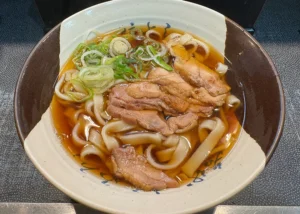
Kishimen is a type of udon noodle unique to the Nagoya region.
Key characteristics include:
-
Wide and flat noodles
-
Softer texture than standard round udon
-
Excellent ability to absorb broth
Kishimen is traditionally served in a light yet deeply aromatic soy-based broth made with bonito flakes and kelp, emphasizing clarity rather than richness.
History and Background
Kishimen has been eaten in the Nagoya area for centuries and is considered one of the region’s core comfort foods. Its flat shape was historically practical, allowing noodles to cook quickly and evenly.
Kishimen Sumiyoshi became famous for bringing this traditional dish into railway stations, making it accessible to:
-
Daily commuters
-
Business travelers
-
Long-distance passengers
-
Tourists with limited time
The shop’s concept reflects Japan’s long-standing tradition of quick, affordable, and satisfying meals at transportation hubs.
Location and Setting
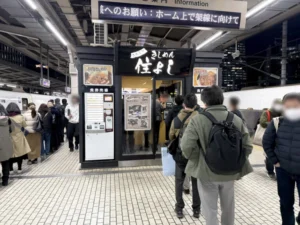
Kishimen Sumiyoshi outlets are typically found:
-
Inside JR Nagoya Station
-
On train platforms or concourse areas
Most locations are standing-only counters, though some offer limited seating. The open layout allows customers to watch noodles being prepared directly in front of them, reinforcing the sense of speed and transparency.
The atmosphere is casual and functional rather than decorative, designed for efficiency rather than lingering.
Menu Highlights
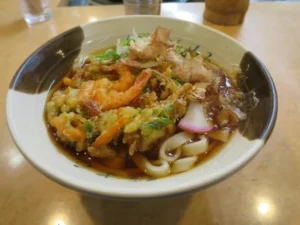
While menus vary slightly by location, common offerings include:
-
Classic Kishimen
Flat noodles in clear dashi broth topped with bonito flakes, green onions, and kamaboko fish cake -
Tempura Kishimen
Topped with shrimp or vegetable tempura, adding texture and richness -
Egg Kishimen
Finished with a softly cooked egg that blends into the broth -
Seasonal or regional toppings
Such as mountain vegetables or local specialties
Portions are modest but satisfying, making kishimen ideal as a light meal or quick stop between trains.
Taste Profile
The defining feature of Kishimen Sumiyoshi is balance.
Expect:
-
A fragrant but gentle broth
-
Smooth, slightly chewy noodles
-
Minimal seasoning that highlights dashi rather than overpowering it
Unlike heavier ramen styles, kishimen is designed to be easy on the stomach and suitable at any time of day.
How to Order
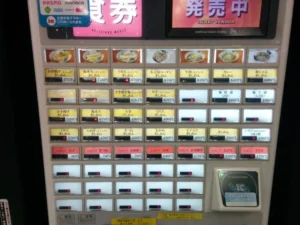
Ordering is straightforward, even for first-time visitors.
Typical steps:
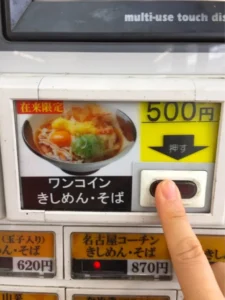
-
Purchase a meal ticket from a vending machine
-
Hand the ticket to staff at the counter
-
Receive your dish within a few minutes
Many ticket machines include English labels or photos, and staff are accustomed to serving international travelers.
Cultural Significance
Kishimen Sumiyoshi reflects several aspects of Japanese food culture:
-
Regional identity through simple ingredients
-
Efficiency and hospitality in public spaces
-
Everyday dining rather than special-occasion cuisine
For locals, it is a familiar taste of home. For visitors, it provides a direct connection to how food fits into daily Japanese life.
When to Visit
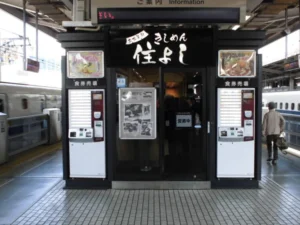
Kishimen Sumiyoshi is suitable at almost any time:
-
Morning arrivals for a light breakfast
-
Lunch during transfers
-
Evening meals before boarding a train
Peak commuter hours can be busy, but turnover is fast.
Visitor Etiquette
-
Eat promptly and make space for others
-
Return trays or bowls as instructed
-
Avoid blocking the counter after finishing
Standing noodle shops are communal, fast-paced environments designed for shared use.
Price Range
Kishimen Sumiyoshi is budget-friendly.
Typical prices range from:
-
500 to 800 yen per bowl
This makes it one of the most affordable ways to experience a genuine regional dish.
Who Should Visit
-
Travelers passing through Nagoya Station
-
Visitors interested in regional Japanese cuisine
-
Those with limited time between trains
-
Food enthusiasts seeking everyday local flavors
Why Kishimen Sumiyoshi Is Unique
Kishimen Sumiyoshi stands out for its:
-
Deep connection to Nagoya’s food identity
-
Accessibility inside major train stations
-
Consistent quality delivered at remarkable speed
Rather than elevating kishimen into fine dining, it preserves the dish’s original role as practical, nourishing travel food.
Conclusion
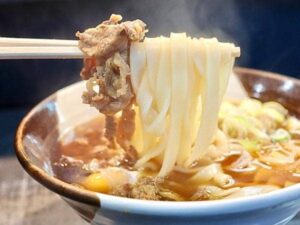
Kishimen Sumiyoshi offers international visitors a rare chance to experience authentic Nagoya cuisine exactly as locals do—quickly, casually, and without pretense. A single bowl captures the region’s culinary philosophy: simplicity, balance, and respect for tradition.
For travelers passing through Nagoya, stopping at Kishimen Sumiyoshi is not just a meal, but a small yet meaningful encounter with everyday Japanese culture.
Related articles


Official Website
https://tabelog.com/en/aichi/A2301/A230101/23001534/
I also share travel information and Japan travel updates on X.
X (formerly Twitter)
Recommended Travel Services
