Overview
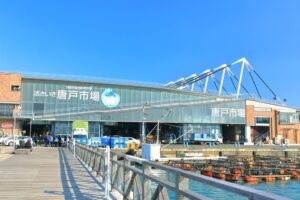
Karato Market is a lively seafood market located on the waterfront of Shimonoseki, Yamaguchi Prefecture. Facing the Kanmon Strait, the market sits at a strategic maritime crossroads between Honshu and Kyushu, an area long known for its rich fishing grounds and active trade.
Shimonoseki has historically been one of Japan’s most important fishing ports, and Karato Market reflects this heritage. Unlike wholesale markets that operate early in the morning and close to the public, Karato Market is designed to welcome both locals and visitors, offering an energetic atmosphere that blends everyday commerce with sightseeing.
The market is especially famous nationwide for its fresh sushi, seasonal seafood, and its strong connection to Japan’s iconic delicacy, fugu (pufferfish).
Seafood Culture and Culinary Highlights
Fresh Seafood and Local Specialties
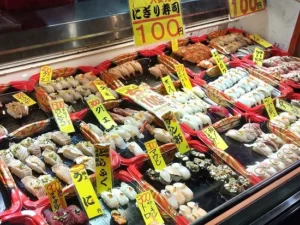
Karato Market showcases an extraordinary variety of seafood sourced from the surrounding seas, including the Sea of Japan and the Seto Inland Sea. Depending on the season, visitors can find:
-
Tuna, sea bream, yellowtail, and mackerel
-
Shellfish such as scallops and oysters
-
Squid, octopus, and sea urchin
The market’s location allows seafood to move from fishing boats to stalls in a very short time, ensuring exceptional freshness.
Sushi and Ready-to-Eat Foods
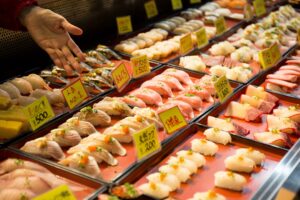
One of Karato Market’s biggest attractions is its abundance of affordable, high-quality sushi. Numerous stalls prepare sushi and seafood bowls on the spot, allowing visitors to sample multiple varieties by purchasing individual pieces.
Weekends and public holidays are especially popular, as many vendors focus on takeaway sushi and street-food-style dining, creating a festive, food-focused environment.
Fugu (Pufferfish) Tradition
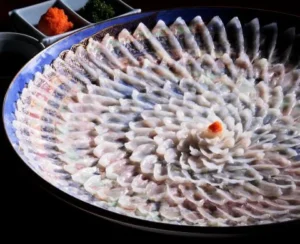
Shimonoseki is Japan’s most famous center for fugu, and Karato Market is deeply connected to this tradition. Licensed vendors sell fugu products prepared under strict safety regulations. Informational displays explain the history, handling, and cultural importance of this unique fish, helping international visitors understand why it holds such a special place in Japanese cuisine.
Market Experience and Best Times to Visit
Daily Rhythm of the Market
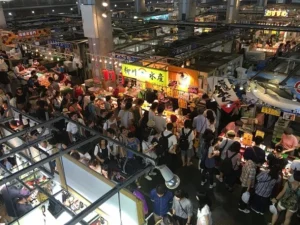
Karato Market operates throughout the day, but its character changes depending on the time and day of the week:
-
Weekday mornings are calmer and more local-oriented
-
Late mornings and early afternoons attract tourists
-
Weekends and holidays are the busiest, with expanded sushi offerings and a lively atmosphere
The market’s layout allows visitors to stroll freely, browse stalls, and eat casually without formal seating.
Atmosphere and Waterfront Views
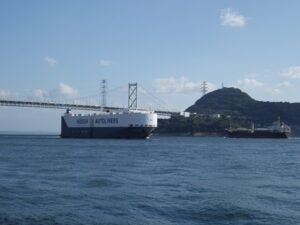
Large windows and outdoor areas provide views of the Kanmon Strait, where ships and ferries pass constantly. This connection to the sea enhances the experience and reminds visitors of Shimonoseki’s long maritime history.
The combination of fresh seafood aromas, vendor calls, and ocean views creates an immersive sensory experience.
Visitor Etiquette
To enjoy the market smoothly:
-
Eat in designated areas or where permitted
-
Dispose of trash properly
-
Avoid blocking stalls while taking photos
-
Be mindful of peak-hour crowds
Access, Nearby Attractions, and Travel Tips
How to Get There
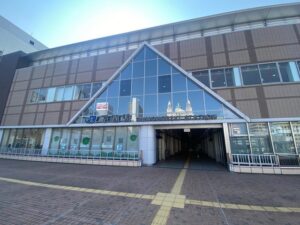
Karato Market is easily accessible from Shimonoseki Station by bus or taxi. It is also within walking distance of the waterfront promenade, making it easy to combine with nearby sightseeing spots.
Nearby Attractions
Popular attractions within walking distance include:
-
The Kanmon Wharf shopping and dining area
-
Views toward Kanmon Bridge
-
Boat tours of the Kanmon Strait
These sites make Karato Market an excellent starting point for exploring Shimonoseki.
Practical Tips for International Visitors
-
Cash is recommended, as not all stalls accept credit cards
-
English signage is limited but menus often include photos
-
Visiting earlier in the day ensures the widest food selection
-
Plan at least 1 to 2 hours to eat and explore comfortably
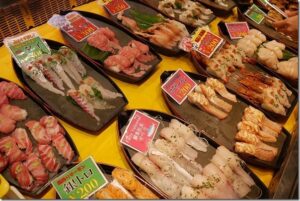
Karato Market offers foreign visitors an authentic introduction to Japan’s seafood culture in a relaxed and welcoming setting. By combining exceptional freshness, regional culinary traditions, and a scenic waterfront location, it goes beyond a simple food market and becomes a cultural experience rooted in daily life. For travelers seeking local flavor, casual dining, and a deeper connection to Japan’s coastal heritage, Karato Market is an essential stop in western Japan.
Related articles

Official Website
https://otanisanso.co.jp/en/sightseeing/karatoichiba/
Great Accommodation Site
