Overview
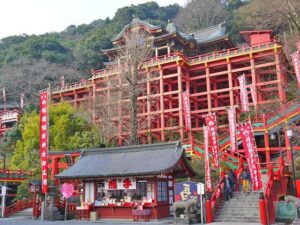
Yūtoku Inari Shrine is one of Japan’s most important Inari shrines and is often counted among the country’s top three, alongside Fushimi Inari Taisha in Kyoto and Kasama Inari Shrine in Ibaraki. It is located in Kashima, Saga Prefecture, in the Kyushu region of western Japan.
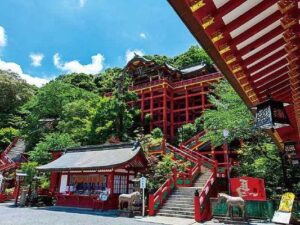
Set against a forested hillside, the shrine is immediately recognizable by its vivid vermilion buildings raised on tall pillars. This dramatic architectural style creates the impression that the main hall is floating above the valley below. Surrounded by mountains and greenery, Yūtoku Inari Shrine offers a powerful blend of spiritual atmosphere and scenic beauty.
The shrine is dedicated to Inari, the Shinto deity associated with prosperity, agriculture, business success, and household safety, making it a popular destination for both worshippers and tourists.
History, Deity, and Religious Significance
Foundation and Origins
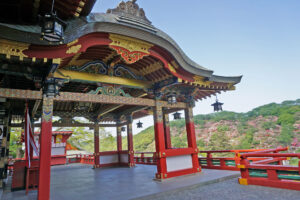
Yūtoku Inari Shrine was founded in 1687 by the wife of a local feudal lord of the Nabeshima clan. Inspired by the famous Inari shrines of Kyoto, she established the shrine to pray for the well-being of her family and the prosperity of the region.
Over time, the shrine gained widespread recognition, attracting worshippers from across Kyushu and beyond.
Inari Worship and Beliefs
Inari shrines are traditionally associated with:
-
Prosperity and successful business
-
Abundant harvests and agriculture
-
Safety of homes and families
Stone fox statues, believed to be messengers of the Inari deity, can be found throughout the shrine grounds. These statues often hold symbolic objects such as keys or rice sheaves.
Cultural Role in the Region
Yūtoku Inari Shrine plays an important role in local religious life, hosting seasonal festivals and ceremonies that continue centuries-old traditions. These events offer insight into Shinto practices and regional culture.
Shrine Architecture and Grounds
Main Hall and Elevated Structure
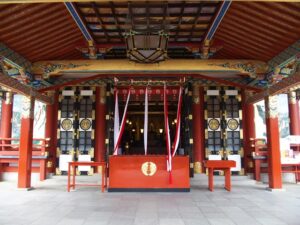
The main hall is built on tall wooden pillars along the hillside, a design that emphasizes both grandeur and harmony with the surrounding landscape. The vibrant vermilion color contrasts beautifully with the green forest, creating a visually striking scene in every season.
Visitors reach the main hall by ascending stairways that provide expanding views over the grounds and surrounding countryside.
Inner Shrine and Mountain Path
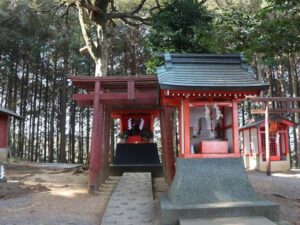
Beyond the main hall, a pathway leads up the mountain to the inner shrine. This quiet forest trail is lined with smaller shrine structures and stone lanterns, offering a more secluded and contemplative experience.
From higher points along the path, visitors can enjoy scenic views of the Kashima area and the Ariake Sea on clear days.
Seasonal Scenery
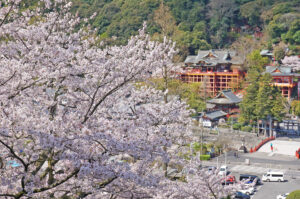
The shrine’s setting changes dramatically throughout the year:
-
Spring brings fresh greenery and blossoms
-
Summer offers deep green forests and shade
-
Autumn features colorful foliage
-
Winter creates a calm, solemn atmosphere
Each season highlights different aspects of the shrine’s architecture and natural surroundings.
Access, Visiting Tips, and Travel Information
How to Get There

Yūtoku Inari Shrine is accessible from Hizen-Kashima Station on the JR Nagasaki Main Line. From the station, visitors can reach the shrine by bus or taxi. The approach to the shrine includes shops and food stalls selling local specialties and souvenirs.
Visitor Etiquette
As an active place of worship:
-
Bow once before passing through the torii gate
-
Avoid loud conversations on the grounds
-
Follow proper etiquette at the offering hall
-
Respect restricted areas and signage
Facilities and Practical Tips
The shrine grounds include rest areas, restrooms, and souvenir shops. English guidance is limited, but signage and the layout are intuitive. Comfortable walking shoes are recommended due to stairs and sloped paths.
Yūtoku Inari Shrine offers foreign visitors a powerful introduction to Shinto belief, regional history, and traditional Japanese shrine architecture. With its dramatic hillside buildings, deep cultural significance, and peaceful natural setting, it provides an experience that is both visually impressive and spiritually meaningful. For travelers exploring Kyushu, Yūtoku Inari Shrine stands out as one of the region’s most rewarding sacred destinations.
Related articles


Official Website
I also share travel information and Japan travel updates on X.
X (formerly Twitter)
