Overview
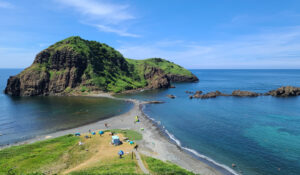
Sado Island is a large island located in the Sea of Japan, off the coast of Niigata Prefecture. Known for its rich history, dramatic coastline, traditional performing arts, and well-preserved rural landscapes, Sado Island offers a deep and authentic experience of Japan away from major tourist centers.
Once a place of exile for political figures and intellectuals, and later one of Japan’s most important gold-producing regions, Sado has developed a distinctive culture shaped by isolation, resilience, and creativity.
Geography and Natural Landscape
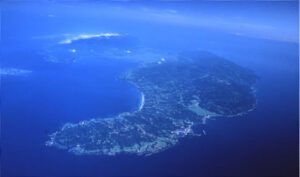
Sado Island is Japan’s sixth-largest island, featuring a diverse natural environment that includes:
-
Rugged cliffs and rocky coastlines
-
Sandy beaches along calmer shores
-
Terraced rice fields
-
Forested mountains and wetlands
The island is divided into two mountain ranges, Osado in the north and Kosado in the south, with fertile plains in between.
Historical Background
Island of Exile
For centuries, Sado Island was used as a place of exile for:
-
Political rivals
-
Intellectuals
-
Religious figures
One of the most famous exiles was Nichiren, a Buddhist monk whose teachings later spread widely throughout Japan.
Sado Gold Mine
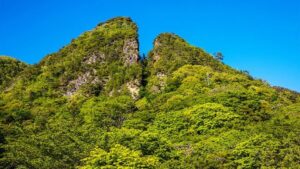
The discovery of gold in the early 17th century transformed Sado Island into an economic powerhouse.
The Sado Kinzan:
-
Operated for nearly 400 years
-
Played a critical role in funding the Tokugawa shogunate
-
Is now a major historical attraction
Visitors can explore preserved tunnels, mining equipment, and life-sized reconstructions illustrating the harsh conditions miners endured.
Kitazawa Flotation Plant Ruins
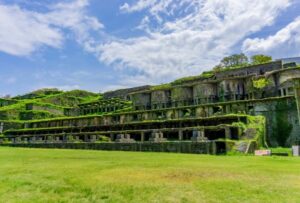
Often called the “ruins of an industrial palace,” this vast and atmospheric site was once a cutting-edge flotation facility for gold ore during the early 20th century.
Its massive concrete structure, now partially covered in moss and vegetation, creates a hauntingly beautiful industrial ruin—a favorite spot for photographers and history buffs.
At night, the site is dramatically lit up, enhancing its mysterious charm.
Cultural Heritage
Traditional Performing Arts

Sado Island is internationally famous for its taiko drumming culture.
The island is home to Kodo, one of the world’s most renowned taiko ensembles. Performances emphasize:
-
Powerful rhythm
-
Physical discipline
-
Spiritual connection to nature
Seasonal festivals and workshops allow visitors to experience taiko firsthand.
Local Festivals
Sado hosts numerous festivals throughout the year, often featuring:
-
Taiko performances
-
Folk dances
-
Shinto rituals tied to agriculture and fishing
These events provide insight into island traditions that have remained largely unchanged for generations.
Unique Coastal Experiences
Taraibune (Tub Boats)
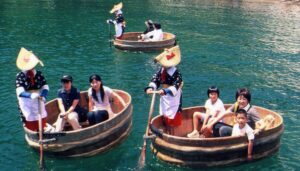
One of Sado’s most iconic sights is the Taraibune, a small wooden tub boat traditionally used by female divers to harvest seaweed and shellfish.
Today, visitors can ride these boats along calm coves, enjoying:
-
Clear water views
-
Rocky shorelines
-
A glimpse into historic coastal life
Nature and Wildlife
Toki Crested Ibis
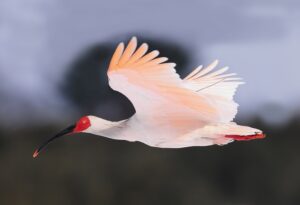
Sado Island plays a crucial role in the conservation of the Japanese crested ibis.
Once extinct in the wild in Japan, the ibis has been reintroduced through conservation programs. Visitors may spot these rare birds in rice fields, especially during early morning hours.
Outdoor Activities
Popular nature-based activities include:
-
Coastal hiking and cycling
-
Kayaking along cliffs and sea caves
-
Swimming and snorkeling in summer
-
Scenic driving routes with ocean views
Food and Local Cuisine
Sado’s cuisine reflects its agricultural and maritime environment.
Local specialties include:
-
Fresh seafood from the Sea of Japan
-
Rice grown using ibis-friendly farming methods
-
Sake brewed with Niigata’s renowned water and rice
Many restaurants emphasize seasonal ingredients and traditional preparation methods.
Access
From Tokyo
-
Take the Joetsu Shinkansen to Niigata Station (about 2 hours)
-
Transfer to a ferry or jetfoil from Niigata Port
-
Jetfoil: approximately 1 hour
-
Car ferry: approximately 2.5 hours
-
Arriving by ferry offers scenic views of the Sea of Japan.
Transportation on the Island
-
Rental cars are strongly recommended
-
Buses connect major towns but run infrequently
-
Cycling is possible in flatter areas
Driving allows access to remote coastlines and rural villages.
Accommodation
Options include:
-
Traditional ryokan
-
Minshuku (family-run guesthouses)
-
Small hotels and eco-lodges
Staying overnight is essential to fully experience the island’s atmosphere.
Best Time to Visit
-
Spring: Mild weather and fresh greenery
-
Summer: Festivals, beaches, and marine activities
-
Autumn: Harvest season and clear skies
-
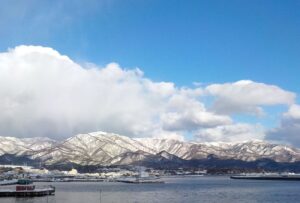
Winter: Quiet landscapes and dramatic seas, though transport may be weather-dependent
Travel Tips
-
Plan ferry schedules carefully
-
Carry cash, especially in rural areas
-
Expect limited English signage outside major attractions
-
Respect wildlife protection zones and farming areas
Who Should Visit
-
Travelers seeking destinations beyond major cities
-
History and culture enthusiasts
-
Nature lovers and photographers
-
Visitors interested in traditional Japanese arts
Why Sado Island Is Unique
Sado Island offers a rare combination of:
-
Deep historical significance
-
Living traditional culture
-
Rich biodiversity
-
A strong sense of place shaped by isolation
Unlike more developed islands, Sado retains an authentic rhythm of life closely tied to nature and tradition.
Conclusion

Sado Island is one of Japan’s most rewarding yet underexplored destinations. With its dramatic landscapes, powerful history, vibrant performing arts, and warm local culture, it provides international travelers with a profound and memorable journey into Japan’s past and present.
For those willing to venture beyond the usual travel routes, Sado Island offers depth, beauty, and cultural richness that linger long after the journey ends.
Related articles
Official Website
Great Accommodation Site
I also share travel information and Japan travel updates on X.
X (formerly Twitter)
