Overview
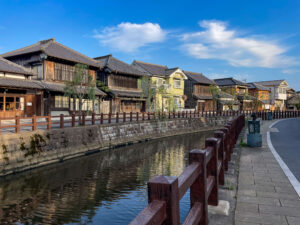
Sawara Historic District is a beautifully preserved Edo-period town located in Katori City, Chiba Prefecture, often referred to as “Little Edo” due to its traditional atmosphere. The district stretches along the Onga River, which historically served as a vital transport route for rice and goods during the Edo period (1603–1868).
Sawara offers foreign visitors a chance to experience Japan’s merchant town culture, with well-maintained white-walled storehouses, traditional townhouses, and narrow streets that evoke the lifestyle of the Edo era. Unlike reconstructed sites, Sawara retains an authentic, lived-in character, combining private residences with open museums, shops, and cafes.
Historical Background and Cultural Significance
Edo-Period Merchant Town
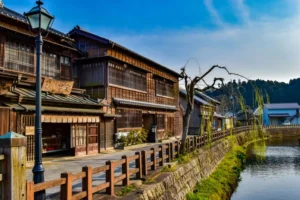
Sawara flourished as a hub for commerce and river trade. Wealthy merchants built kura (storehouses) and machiya (townhouses) along the riverbank, many of which survive today. The district exemplifies Japan’s merchant culture, highlighting social hierarchy, commerce, and craftsmanship.
Sawara’s Role in Transportation
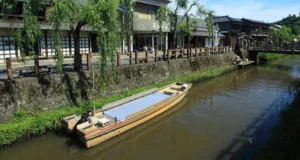
The Onga River was used to transport rice and other goods to Edo (modern Tokyo), making the town strategically and economically important. Historical ferry crossings and riverside warehouses reflect this commercial past.
Festivals and Traditions
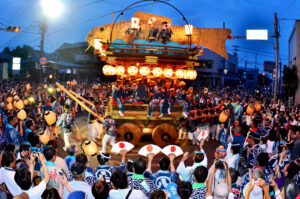
Sawara is famous for the Sawara Grand Festival, held annually in July and October, featuring ornate floats (dashi) and traditional music. These cultural events provide insight into Edo-period celebrations and community life.
Architecture and Streetscape
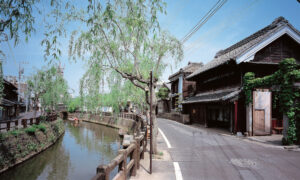
Traditional Townhouses and Storehouses
The main streets are lined with two-story wooden townhouses with lattice facades, clay walls, and tiled roofs. Many buildings serve as shops, museums, or guesthouses, while others remain private homes, preserving the authenticity of daily life.
Riverbank Walks and Scenic Views
Walking along the Onga River, visitors can enjoy stone bridges, riverside cherry trees, and historic warehouses reflected in calm waters. These picturesque views are particularly striking during cherry blossom season and autumn foliage.
Museums and Cultural Sites
Key sites include:
-
Katori City Museum of Local History – displays artifacts from Sawara’s merchant past
-
Old Kura Storehouses – exhibit tools, textiles, and traditional goods
-
Temples and Shrines – offer context for local religious practices
These locations provide historical depth without disrupting the town’s serene atmosphere.
Local Cuisine, Crafts, and Shopping

Regional Specialties
Sawara offers local dishes influenced by river and agricultural products:
-
Freshwater fish and eel dishes
-
Rice-based snacks and traditional sweets
-
Pickled vegetables and seasonal ingredients
Crafts and Souvenirs
Visitors can purchase:
-
Handcrafted ceramics and lacquerware
-
Bamboo products and traditional toys
-
Textiles and items inspired by Edo-era designs
Cafes and Tea Houses
Historic buildings have been converted into cafes and tea houses, providing an opportunity to enjoy traditional Japanese sweets, tea, and river views in a relaxing setting.
Visitor Information and Practical Tips
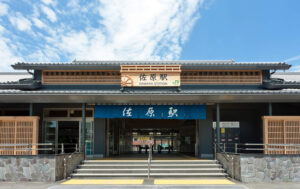
Access and Transportation
Sawara is accessible from Tokyo by taking the JR Narita Line to Sawara Station (approximately 90 minutes). The historic district is within walking distance from the station.
Recommended Visit Duration
Most visitors spend 2 to 4 hours exploring the streets, museums, riverside areas, and shops. A half-day visit is sufficient, though a full-day trip allows for more immersive exploration.
Best Time to Visit
-
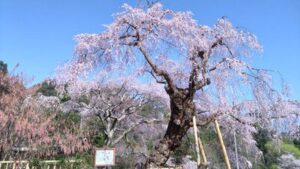
Spring: Cherry blossoms along the river
-
Summer: Sawara Grand Festival and warm weather
-
Autumn: Vibrant fall foliage
-
Winter: Fewer crowds and tranquil scenery
Visitor Etiquette
-
Respect private residences and do not enter buildings without permission
-
Keep noise levels low to maintain the quiet town atmosphere
-
Stay on designated paths along the river and streets
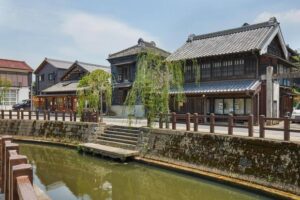
Sawara Historic District provides foreign visitors with an authentic glimpse of Japan’s Edo-period merchant culture. Its preserved streets, river views, traditional architecture, and local crafts make it an ideal destination for those seeking history, photography, and a peaceful cultural experience.
Related articles


Official Website
https://greatertokyo.jp/see-and-do/sawaras-historical-district/
I also share travel information and Japan travel updates on X.
X (formerly Twitter)
