Overview
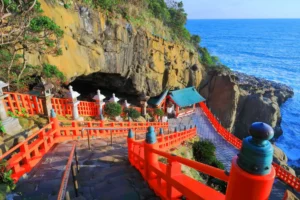
Udo Shrine is a stunning coastal Shinto shrine located in Nichinan, Miyazaki Prefecture on Japan’s southeastern coast. Perched within a natural cave along rugged cliffs overlooking the Pacific Ocean, Udo Shrine offers a dramatic combination of religious significance, scenic beauty, and cultural tradition.
Dedicated to Yamasachihiko, the father of Japan’s legendary first emperor, Emperor Jimmu, Udo Shrine is particularly popular for prayers related to safe childbirth, family harmony, and good fortune. The shrine’s unusual location—carved directly into volcanic rock—creates a breathtaking setting that appeals to both domestic and international travelers.
Visitors can experience traditional Japanese spirituality, explore unique architectural features, and enjoy panoramic views of the coastline.
Historical Background and Religious Significance
Origins and Mythology
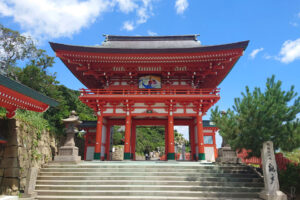
Udo Shrine is deeply rooted in Japanese mythology. It is said that Yamasachihiko, father of Emperor Jimmu, resided in this region, and the shrine was later established to honor him. Pilgrims visit to pay respects and seek blessings, particularly for fertility and family health.
The cave itself is believed to have spiritual energy, and offerings are often made at its entrance. Visitors can also participate in local customs to enhance their prayers and experiences.
Spiritual Practices
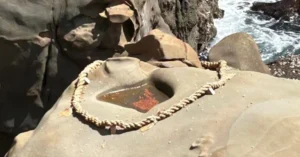
One of the most iconic rituals at Udo Shrine involves “undama,” small clay balls that visitors throw into a target hole on the shrine’s grounds. Successfully landing a ball is thought to bring good luck or fulfill wishes.
Prayers are typically offered at the main hall, which is positioned to maximize the view of the Pacific Ocean, blending nature and spirituality.
Cultural Recognition
Udo Shrine is a designated cultural property of Miyazaki Prefecture. Its combination of natural and man-made structures makes it a prime example of how Japanese shrines often harmonize with their surrounding landscapes.
The shrine is also featured in travel literature and media, highlighting both its beauty and unique coastal location.
Architecture and Scenic Highlights
Cave-Integrated Structure
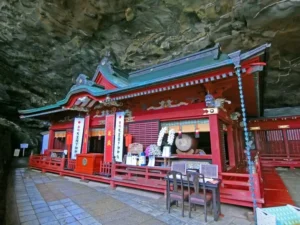
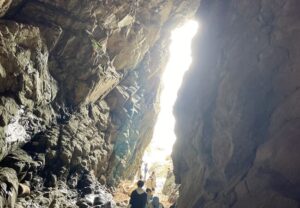
The main shrine is built into a natural rock cave, with wooden walkways, staircases, and handrails carefully integrated to ensure visitor safety while maintaining the sacred ambiance. The contrast between rugged stone and carefully crafted shrine architecture enhances the visual impact.
Inside the cave, you can observe traditional Shinto elements such as torii gates, sacred ropes (shimenawa), and decorative lanterns.
Coastal Views and Natural Beauty
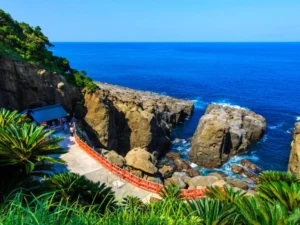
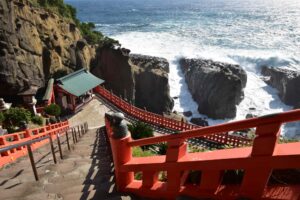
From the shrine grounds, visitors can enjoy sweeping views of Nichinan’s coastline, cliffs, and waves crashing below. The combination of ocean scenery and shrine architecture makes it a popular location for photography.
Several vantage points along the cliffside provide safe opportunities to capture panoramic shots of the Pacific Ocean and surrounding rock formations.
Seasonal Changes
The shrine’s scenery changes with the seasons:
-
Spring brings mild weather and blooming coastal vegetation
-
Summer features bright sunlight and vibrant ocean colors
-
Autumn showcases crisp air and dramatic skies
-
Winter provides a quieter, serene coastal experience
Timing your visit can enhance both spiritual and photographic experiences.
Visitor Experience and Activities
Approaching the Shrine
Visitors typically descend a staircase from the parking area to reach the cave entrance. While the path includes several steps, the journey is well-maintained and clearly marked.
The descent itself allows travelers to gradually take in the natural surroundings before entering the sacred space.
Rituals and Offerings
-
Visitors can make small donations at the main hall
-
Throwing “undama” clay balls into the designated spot is encouraged for luck
-
Prayers for childbirth, safe parenting, and family well-being are common
Respectful behavior is important; shoes may need to be removed in certain areas, and visitors should avoid loud conversation within the cave.
Local Amenities and Souvenirs
Nearby facilities include a visitor center, restroom facilities, and small shops selling local specialties such as charm bracelets, prayer amulets, and snacks. Many items reflect the shrine’s spiritual focus on family and fertility.
For those interested in combining sightseeing with local cuisine, small cafés along the coastal road offer Miyazaki specialties and refreshments.
Practical Information and Travel Tips
Access and Transportation
Udo Shrine is accessible by car or taxi from central Nichinan. There is limited public bus service, but private tours or rental vehicles are recommended for flexibility. A parking area is available near the entrance.
Travelers can combine a visit with nearby attractions such as Cape Obi, Nichinan coastline drives, or other coastal shrines.
Best Time to Visit
Early morning visits are ideal for fewer crowds and soft natural light, enhancing photography and spiritual reflection. Late afternoon visits can offer sunset views over the Pacific Ocean.
Weekdays are generally quieter than weekends or public holidays.
Visitor Etiquette and Safety
-
Maintain a respectful and quiet demeanor, particularly inside the cave
-
Follow designated paths and handrails for safety
-
Observe local customs when making prayers or participating in rituals
These practices ensure both a safe and culturally appropriate experience.
A visit to Udo Shrine provides an unforgettable combination of spirituality, architecture, and natural beauty. Its cliffside cave location, unique rituals, and breathtaking views of the Pacific Ocean make it a must-see destination for international travelers exploring Miyazaki Prefecture and Japan’s scenic coastal regions.
Related articles
Official Website
https://www.japan.travel/en/spot/627/
Great Accommodation Site
