Overview
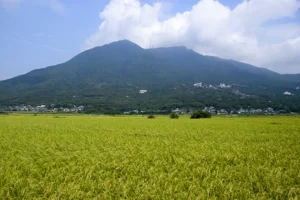
Mount Tsukuba (Mt. Tsukuba) is a sacred twin-peaked mountain located in Ibaraki Prefecture, about 60 kilometers northeast of Tokyo. With an elevation of 877 meters, it is far lower than Mount Fuji, yet it is one of Japan’s most culturally significant and accessible mountains.
Mt. Tsukuba is famous for its two summits, its role in Japanese mythology, scenic hiking routes, panoramic views over the Kanto Plain, and excellent access by public transportation. It has been revered for centuries as a place where nature, religion, and daily life intersect.
Geography and Twin Peaks
Nyotai-san and Nantai-san
Mt. Tsukuba consists of two main peaks:
-
Nyotai-san (Female Peak)
-
Nantai-san (Male Peak)
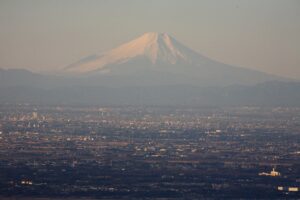
The dual peaks symbolize harmony and balance and are central to the mountain’s spiritual identity. From the summits, visitors can enjoy expansive views of:
-
The Kanto Plain
-
Tokyo’s skyline on clear days
-
Mount Fuji under ideal conditions
Cultural and Religious Significance
Tsukuba Shrine
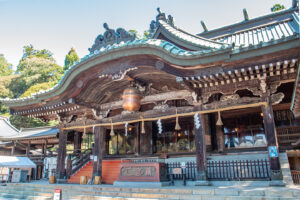
At the base of the mountain lies Tsukuba Shrine, founded over 3,000 years ago. The shrine enshrines the deities of Mt. Tsukuba and has long been a destination for pilgrims seeking blessings related to:
-
Marriage and relationships
-
Family harmony
-
Prosperity and longevity
The shrine serves as the spiritual gateway to the mountain, and many visitors begin their ascent here.
Hiking Trails

Trail Overview
Mt. Tsukuba offers a network of well-maintained trails suitable for beginners and intermediate hikers. Trails are clearly marked and vary in difficulty and scenery.
Major Hiking Routes
Miyukigahara Course
-
Most popular route
-
Begins near Tsukuba Shrine
-
Moderate incline with stone steps
-
Offers scenic viewpoints along the way
Shirakumobashi Course
-
Slightly steeper and more forested
-
Features streams and shaded paths
-
Less crowded than the main route
Oshimizu Course
-
Shorter route
-
Connects to cable car stations
-
Ideal for combining hiking with mechanical transport
Cable Car and Ropeway Access
Mt. Tsukuba Cable Car
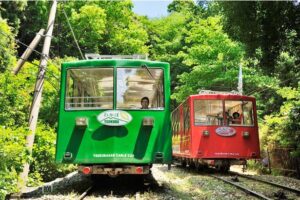
The Mt. Tsukuba Cable Car connects the base near Tsukuba Shrine to the mid-mountain area.
-
Steep incline
-
Scenic forest views
-
Operates year-round (weather permitting)
Mt. Tsukuba Ropeway
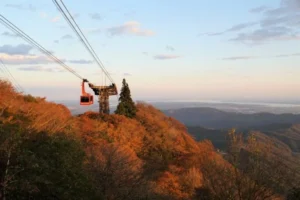
The Mt. Tsukuba Ropeway links the Tsutsujigaoka area to near the Nyotai-san summit.
-
Large gondolas
-
Panoramic views of the surrounding plains
-
Especially popular during autumn foliage season
Visitors often combine the cable car and ropeway to create a loop route.
Summit Area Experience
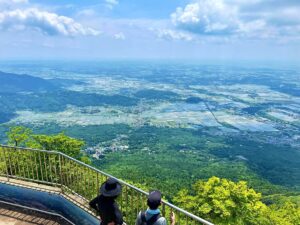
Observation Points
Both peaks have observation platforms where visitors can enjoy wide-open views. Benches and rest areas allow time to relax and take photographs.
Small Shops and Facilities
Near the summit areas, visitors may find:
-
Small food stands
-
Souvenir shops
-
Restrooms
Local snacks and drinks are often available.
Seasonal Highlights
Spring
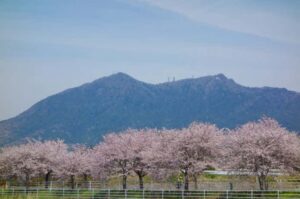
Cherry blossoms bloom near the shrine and lower slopes. Fresh greenery creates a pleasant hiking environment.
Summer
Cooler temperatures at higher elevations make Mt. Tsukuba a popular summer escape from Tokyo heat.
Autumn
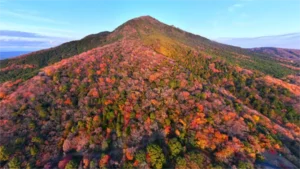
Autumn foliage is the peak season. Maple trees and mixed forests turn red and gold, attracting large numbers of visitors.
Winter
Snowfall is occasional but light. Clear winter days offer some of the best visibility, though trails may be icy.
Flora and Fauna
The mountain supports diverse plant life, including:
-
Deciduous forests
-
Seasonal wildflowers
-
Moss-covered rock formations
Birds and small wildlife are commonly seen along quieter trails.
Access and Transportation
From Tokyo
-
Train from Akihabara to Tsukuba Station (Tsukuba Express)
-
Bus from Tsukuba Station to Tsukuba Shrine or Tsutsujigaoka
Total travel time is approximately 90 minutes.
Facilities and Amenities
-
Parking areas near trailheads
-
Restaurants and souvenir shops at the base
-
Visitor information centers with English materials
Visitor Etiquette and Safety
-
Wear proper hiking shoes; stone steps can be slippery
-
Stay on designated trails
-
Carry water, especially in summer
-
Weather can change quickly; bring layers
-
Respect religious sites and local customs
Nearby Attractions
-
Tsukuba Space Center
-
Science museums in Tsukuba City
-
Local soba restaurants near the shrine
Mt. Tsukuba is often combined with a cultural or educational visit to Tsukuba City.
Best Time to Visit
-
March–April: Cherry blossoms
-
May–June: Mild hiking conditions
-
October–November: Peak autumn foliage
-
Winter: Clear views and fewer crowds
Weekday visits are recommended to avoid congestion.
Why You Should Visit Mt. Tsukuba
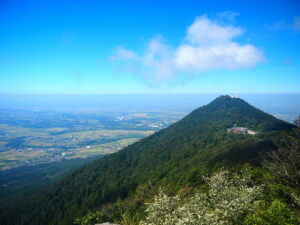
Mt. Tsukuba offers a rare combination of accessibility, cultural depth, and natural beauty. Its twin peaks, ancient shrine, and multiple ascent options make it suitable for a wide range of travelers, from casual sightseers to outdoor enthusiasts.
For international visitors seeking an authentic Japanese mountain experience without long travel times or technical hiking, Mt. Tsukuba stands out as one of the best day-trip destinations from Tokyo.
Related articles
Official Website
https://www.mt-tsukuba.com/global/en/
I also share travel information and Japan travel updates on Instagram.
Instagram
 is a sacred twin-peaked mountain located in Ibaraki Prefecture,)